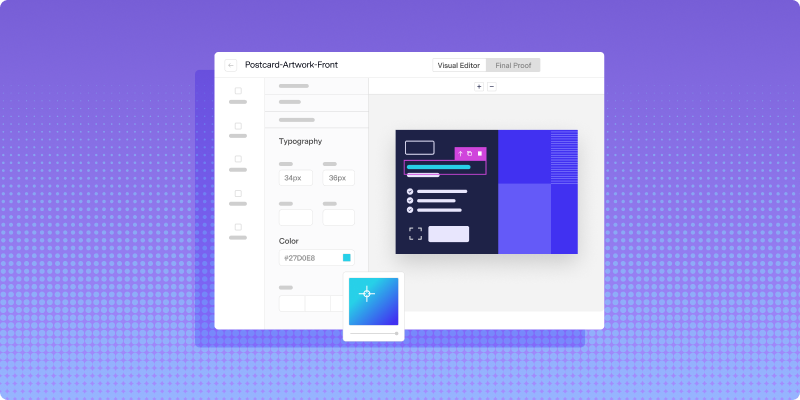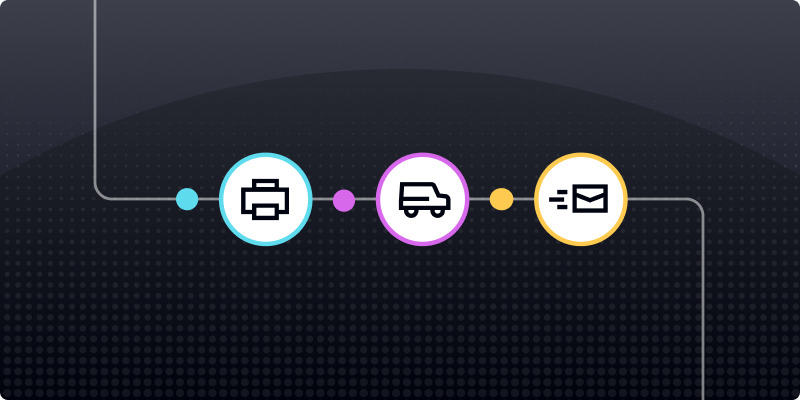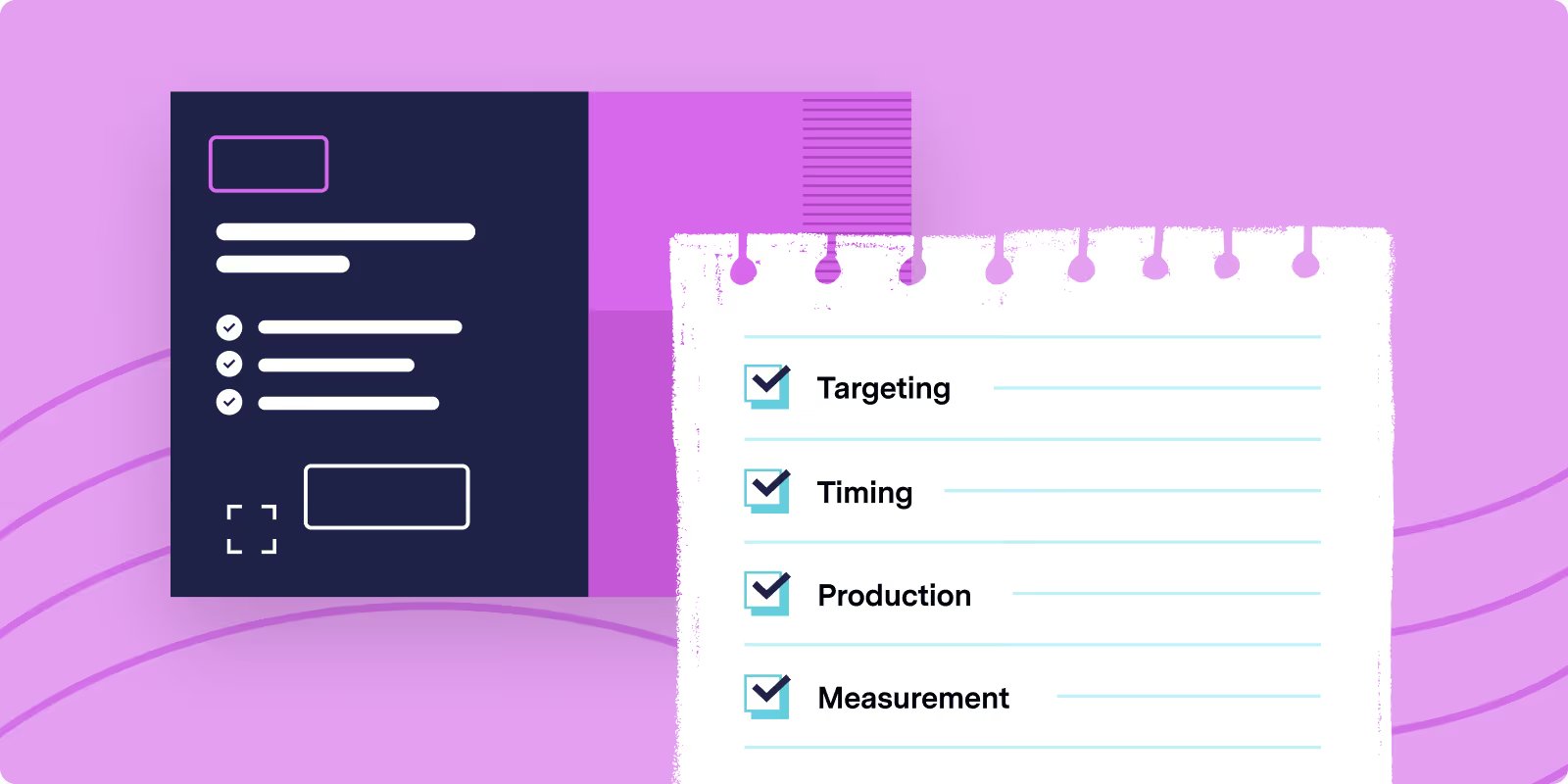

Most direct mail programs don’t underperform because of bad creative. They underperform because of small breakdowns across targeting, timing, production, and measurement that compound over time.
This checklist is designed for teams already running direct mail who want to improve results without rebuilding their program from scratch. It breaks down eight high-impact optimization moves across audience, personalization, format, production, and measurement, so you can identify where performance is leaking and what to fix next.
Use it as an audit, not a to-do list. The goal isn’t to do everything at once, it’s to focus on the changes that actually move response rates, efficiency, and ROI.
1. Start with list quality, not creative
Before you change a design or offer, audit your list. Bad addresses, duplicates, and outdated records quietly drain budget and distort performance reporting. USPS-certified address hygiene (CASS), NCOA updates, and suppression against prior mailings are table stakes, but many teams don’t run them consistently.
What to check:
- Are hygiene checks run before every send, not quarterly?
- Are suppression rules documented and enforced?
- Do you know what percentage of mail is undeliverable or duplicated?
Why it matters:
Every wasted piece inflates cost per response and hides what’s actually working.
2. Re-segment around timing, not just audience
Most direct mail segmentation focuses on who to mail. Optimization happens when you also consider when. Mail performs best when it aligns to lifecycle moments – renewals, onboarding milestones, churn risk, reactivation windows – rather than static audience buckets.
What to check:
- Which campaigns are triggered vs. batch?
- Are lifecycle signals (dates, behaviors, thresholds) feeding your mail logic?
- Are you mailing people because it’s “time,” or because something changed?
Why it matters:
Better timing increases relevance without increasing volume.
3. Personalize for context, not decoration
Personalization works when it reflects context, not when it’s just a name swap. Variable data should change the message, offer, or next step based on what the customer is doing or needs.
What to check:
- Does creative vary by lifecycle stage or product usage?
- Are offers aligned to customer value or risk?
- Is personalization driven by real data, not assumptions?
Why it matters:
Contextual relevance is one of the strongest drivers of response.
4. Match format to intent
Format choice is a strategic decision, not a creative one. Different formats signal different things—urgency, trust, depth, or ease. Optimized programs choose formats intentionally based on the job the mail needs to do.
.avif)
Why it matters:
The right format is strategically selected to drive an effective campaign.
5. Plan backward from the in-home date
Mail doesn’t perform when it’s sent – it performs when it arrives. Optimization requires planning backward from the in-home window through printing, routing, entry, and delivery buffers.
What to check:
- Do campaigns have defined in-home windows?
- Are buffers built for production and USPS variability?
- Is mail timed to land before or after digital follow-up?
Why it matters:
Poor timing breaks otherwise strong campaigns.
6. Tighten production and approval loops
Slow approvals and manual handoffs delay delivery and weaken coordination with digital channels. Optimized programs reduce friction between data, creative, and production so mail moves quickly once a decision is made.
What to check:
- How many handoffs occur before a file is approved?
- Are approvals centralized or fragmented?
- Can production scale during peak periods?
Why it matters:
Speed preserves relevance and improves conversion.
7. Use multiple response signals
No single response method tells the full story. QR codes, PURLs, promo codes, and dedicated phone numbers each capture different behaviors. The best programs use several and understand what each one measures well.
What to check:
- Which CTAs are used – and why?
- Are signals tied back to downstream outcomes?
- Is attribution consistent across channels?
Why it matters:
More signals = clearer performance insight.
8. Close the Loop With Digital Follow-Up
One of the biggest missed opportunities in direct mail optimization is follow-up. Mail primes attention; digital reinforces it. Coordinated email, SMS, or paid media within days of in-home delivery significantly improves results.
What to check:
- Is follow-up triggered by delivery timing, not send date?
- Are messages aligned across channels?
- Is performance measured holistically?
Why it matters:
Mail works best as part of an orchestrated journey, not a one-off touch.
Where optimization actually pays off
Direct mail performance rarely hinges on one big change. It improves when small, structural decisions are made more deliberately – who you mail, when it lands, how it’s produced, and how results are measured. This checklist is meant to help you spot the quiet gaps that erode performance and focus your effort where it counts. Optimize what’s already working, tighten what’s slowing you down, and let each improvement compound over time.
FAQs

Answered by:

Sam Melero