
The conventional direct mail workflow is disproportionately focused on what happens before the send. Teams spend months optimizing strategy, creative, production, processing, and deployment. Then the campaign enters the mailstream and, poof, visibility tanks. But understanding what happens after the send is just as, if not more, important.
Today’s marketing teams need more than a quick confirmation that a direct mail campaign was launched. Modern omnichannel campaigns demand accurate attribution, real-time insights, and full visibility across all channels.
The visibility disconnect
Historically, fragmented workflows and disparate systems have limited what direct mail marketers could monitor after deployment. Campaigns often moved between creative, print, mail prep, and delivery, each with different systems, teams, and vendors.
But with no clear ownership or oversight over the end-to-end process, it can be challenging to see the full picture and act before small issues turn into big surprises. In our State of Direct Mail 2026 report, 82% of marketing and operations leaders say they’ve faced unexpected costs or missed delivery windows due to logistics blind spots.
Post-send visibility fills this gap, giving teams a clearer view of downstream processes, so they can keep campaigns on track.
Why does direct mail visibility matter?
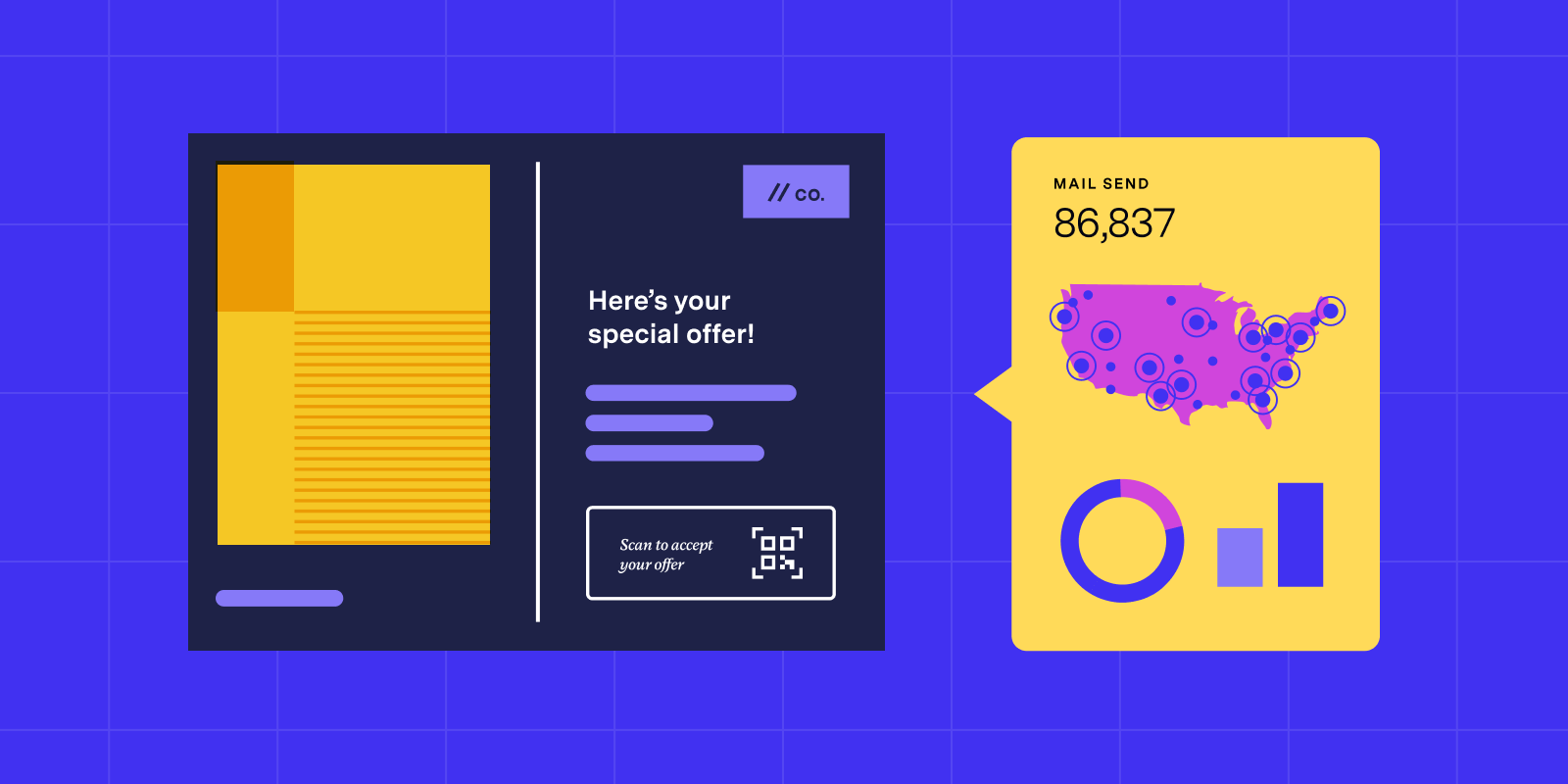
Connecting data and logistics transforms direct mail into a measurable, efficient growth engine. When marketers know what is happening to each mail piece throughout production and delivery, they can identify issues, act faster, and make performance more predictable.
With post-send tracking and visibility, you can:
- Optimize campaign timing
- Analyze regional delivery patterns
- Optimize future campaigns
- Identify bottlenecks and delays
- Support cross-channel marketing
What real visibility looks like
Not all tracking signals are created equal. When you’re sending tens of thousands of mailpieces every month, you need more than a batch-level status update or a delivery report that comes once your campaign is over.
For high-volume senders, simply knowing that your mail was sent to the printer isn’t good enough. Real visibility gives you detailed logistics insights across every stage of your campaign – from production to performance. It tells you when your mail started printing, when it entered the postal network, if it’s moving differently than expected, and, ultimately, whether your mail inspired action. So you have real-time answers to questions before, during, and after delivery. For example:
- How many pieces have been printed and processed?
- When did the campaign enter the mailstream?
- Are we still on budget?
- When should recipients expect it in home?
- How was my mail batched?
- Are any regions experiencing delays?
- How did delivery timing influence response rates?
- Which A/B test version drove more action?
How to build better post-send visibility
Stop the guesswork. Start building a framework that doesn’t leave you in the dark.
At the enterprise level, you need a provider with end-to-end production visibility – one that connects print and delivery data into a single workflow, so you’re not manually piecing together your story from multiple sources.
You should be able to track (and act on) what’s happening throughout the campaign lifecycle. Not just what happens before the send.
Visibility drives results
Post-send visibility is the hidden driver of better direct mail performance.
When you can see what’s happening, you have more control over what happens next. Use delivery intelligence to coordinate and strengthen omnichannel campaigns. Share visibility across marketing, operations, and customer support. And treat delivery data as a long-term optimization tool so you can make your next send smarter.
FAQs

Answered by:

Sam Melero