
Alumni teams are not just competing with other schools for attention. They are competing with full inboxes, crowded feeds, and the general reality that most graduates are not thinking about advancement emails all day. Direct mail gives colleges a way to break through in a format that feels more deliberate and easier to notice.
That is why it still plays an important role in alumni outreach. A well-timed mailpiece can support fundraising, promote events, strengthen stewardship, and help institutions stay connected to graduates over time. When direct mail is backed by good data and tied into digital follow-up, it becomes much more than a standalone send.
Why direct mail still works for alumni engagement
Direct mail works for alumni outreach because it gives colleges a more visible and more personal way to reach graduates. A postcard, letter, or self-mailer does not disappear as quickly as a digital message, which gives it more time to make an impression.
It also gives institutions space to communicate with more intention. Whether the goal is a reunion invitation, a stewardship touchpoint, or a giving appeal, print can make the message feel more grounded and more thoughtful.
That does not mean direct mail should replace digital outreach. It works best when it supports the broader alumni experience and helps reinforce the messages graduates are already seeing across other channels.
How to segment your alumni database for targeted campaigns
Segmentation is what keeps alumni mail from feeling generic. The more clearly you define who each campaign is for, the easier it is to send messages that feel relevant instead of broad.
Graduation year and class cohorts
Class year is one of the most natural ways to group alumni. It helps support reunion outreach, milestone-based messaging, and fundraising efforts tied to shared experiences or class identity.
Giving history and donor behavior
A recent donor, a long-time supporter, and a lapsed donor should not all receive the same message. Giving behavior can help shape the tone of the outreach, the type of ask, and whether the focus should be on stewardship, re-engagement, or deeper support.
Geographic location and regional communities
Location data can make outreach more useful. It can help colleges promote regional events, support alumni chapter activity, and tailor communications based on where graduates actually live and gather.
Engagement level and communication habits
Some alumni are consistently engaged. Others have been quiet for years. Looking at event attendance, prior responses, and broader communication history can help teams decide who needs re-engagement and who is ready for a stronger call to action.
Academic program and campus involvement
Academic experience and student-life involvement often shape what alumni care about most. A graduate may be more likely to respond to a message tied to their department, student organization, athletics experience, or another part of campus life that still feels personal to them.
Personalization strategies that boost alumni response
Personalization should go beyond adding a name to the top of a letter. The real value comes from using alumni data to make the content feel more specific to the person receiving it.
Variable data printing for tailored messaging
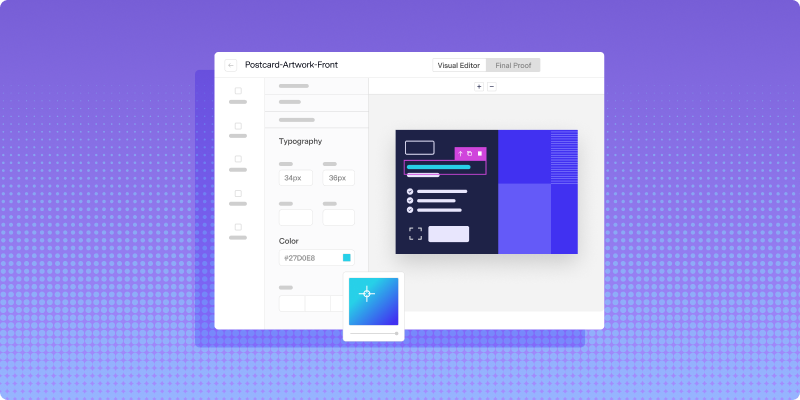
Variable data printing makes it possible to customize content across a single print run. Schools can reference graduation year, academic program, campus experiences, or other details that help the mailpiece feel more personal without creating separate campaigns from scratch.
Triggered mail based on alumni activity
Direct mail can also be tied to real actions or milestones. Event registrations, giving anniversaries, volunteer activity, and other moments can all trigger follow-up mail that arrives at a more relevant time.
Personalized URLs and QR codes
Personalized URLs and QR codes make it easier to connect print with digital action. They can guide alumni to a donation form, event page, or update form while also making response tracking more useful.
Storytelling and messaging that resonates with alumni
Strong targeting matters, but message quality matters just as much. Alumni are more likely to respond when the mail gives them a reason to feel connected.
Use nostalgia in a thoughtful way
Campus landmarks, traditions, student memories, and shared experiences can help alumni reconnect with the school in a meaningful way. Used well, nostalgia creates familiarity and emotional connection without making the message feel stuck in the past.
Show impact in concrete terms
If the campaign includes fundraising, the message should make the purpose of giving easy to understand. Alumni are more likely to respond when they can clearly see how support benefits students, programs, or the institution as a whole.
Keep the call to action clear
Each piece should focus on one main next step. That could be making a gift, registering for an event, updating contact information, or reconnecting with a chapter. A focused ask is usually easier to act on than a crowded one.
Mail formats that stand out
Format plays a big role in how a mailpiece is received. The right format depends on the goal, the audience, and how much information the piece needs to carry.
Postcards
Postcards work well for reunion reminders, event promotion, and other campaigns that benefit from a quick message and a strong visual. They are simple, flexible, and easy to scan.
Letters and self-mailers
When a campaign needs more room for storytelling or explanation, letters and self-mailers offer more space. They are often a better fit for stewardship, fundraising appeals, and more detailed alumni communications.
Dimensional mail
For select audiences, a premium format can create a stronger first impression. This may make sense for leadership giving, special milestone outreach, or stewardship tied to high-value alumni segments.
Interactive print elements
QR codes, fold-outs, and other interactive touches can help make the piece more engaging and connect the print experience to a digital next step.
When to send alumni direct mail
Timing can shape how relevant a message feels the moment it arrives.
Reunion years and major milestones
Reunion cycles and graduation milestones give colleges a natural reason to reach out. These moments already come with reflection and renewed interest, which can make alumni more receptive to outreach.
Giving season and campaign windows
Year-end outreach and broader institutional fundraising periods are key windows for direct mail. A physical piece can help support visibility during times when advancement teams are asking alumni to take action.
Event and lifecycle moments
Mail can also be effective around event invitations, donor thank-yous, recent graduate outreach, and campaigns aimed at reactivating alumni who have been less engaged.
How to integrate direct mail with digital alumni outreach
Direct mail is most effective when it works with the rest of your outreach strategy instead of sitting on its own.
Coordinate email and mail touchpoints
A campaign might begin with email, continue with direct mail, and be followed by another digital touchpoint after delivery. That kind of sequencing helps reinforce the message and keeps the campaign from depending too much on one channel.
Connect campaign data through your CRM
When your alumni database or CRM is connected to your mail platform, it becomes much easier to manage segmentation, automate campaigns, and track responses across channels.
Use delivery data to guide follow-up
Knowing when a piece has been delivered helps teams time reminder emails, event nudges, and other follow-up communications more effectively.
Automating alumni direct mail campaigns at scale
Automation helps advancement teams handle more targeted outreach without turning every campaign into a manual process.
Triggered workflows
Mail can be triggered by alumni milestones, giving behavior, event activity, or contact updates. That helps teams send more timely outreach without building every send by hand.
Address verification
Good address data matters. Verifying records before a campaign goes out helps reduce waste and improves the chances that mail reaches the right people.
Delivery visibility
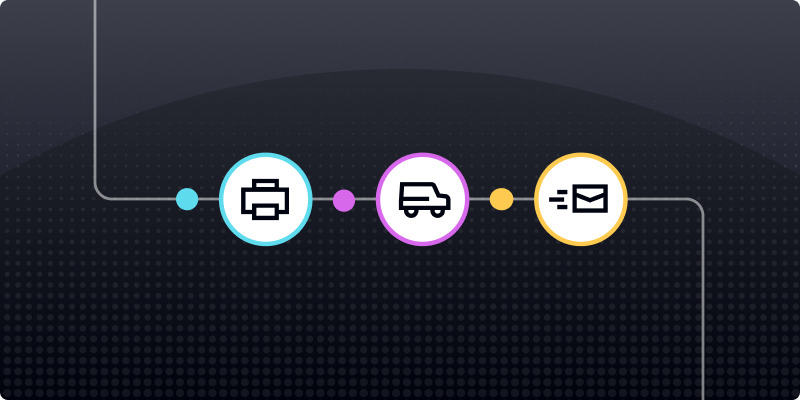
Tracking mail from production through delivery gives teams better visibility into timing and campaign status, which also supports more accurate follow-up and reporting.
Tracking and measuring alumni direct mail performance
Measurement matters if you want direct mail to stay part of a long-term alumni strategy. It helps teams understand what is working and makes it easier to report results internally.
Delivery and response tracking
Start with the basics: was the mail delivered, and did the recipient take action? Those two questions go a long way in showing whether a campaign is reaching alumni and prompting engagement.
Campaign outcomes
Depending on the goal, that action might be a donation, event registration, contact update, volunteer sign-up, or another form of alumni engagement. The right metrics should match the purpose of the campaign.
Reporting to leadership
When sharing results, focus on the outcomes leadership cares about most, such as donor activity, event participation, audience reactivation, or contribution to larger advancement goals.
Key metrics may include:
- delivery rate
- response rate
- conversion by segment
- engagement by campaign type
- longer-term alumni value
Building long-term alumni relationships through direct mail
Direct mail is not only useful for fundraising. It can also help colleges build stronger alumni relationships over time.
Thank before asking again
A thank-you piece can go a long way in making alumni feel recognized. When every touchpoint feels like another ask, the relationship can start to feel transactional.
Communicate impact clearly
When institutions show alumni what their support made possible, trust tends to grow. Clear follow-up also makes future outreach feel more credible and more connected to real outcomes.
Treat recent graduates differently
Recent graduates are in a different stage of the relationship. Outreach to this group is often more effective when it centers on connection, community, and career support before moving into stronger fundraising asks.
How colleges use direct mail for alumni outreach today
Many institutions are moving away from slower, more fragmented mail processes and treating direct mail as part of a more connected alumni strategy.
Move from manual execution to automated campaigns
Instead of coordinating disconnected vendors and manual list workflows, colleges can use platforms that support personalization, automation, and tracking in a more streamlined way.
Create more connected alumni experiences
The strongest programs do not treat mail as a one-off tactic. They use it as part of a broader outreach strategy built around timing, relevance, and better coordination across channels.
Modernize your alumni direct mail program
Direct mail can still play a meaningful role in alumni outreach when it is used strategically. With the right data, timing, messaging, and automation, colleges can build campaigns that feel more personal, more coordinated, and easier to measure.
Book a demo to see how Lob helps colleges modernize alumni direct mail programs.
FAQs about direct mail for alumni outreach
FAQs

How do colleges keep alumni mailing addresses updated?
Many institutions use address verification and change-of-address tools before campaigns are sent. This helps improve list quality and reduce undeliverable mail.
Is direct mail or email better for alumni fundraising?
They serve different purposes. Email is useful for speed and frequent touchpoints, while direct mail can create stronger visibility and a more lasting impression. Many institutions see the best results when the two work together.
What kinds of alumni campaigns work well with direct mail?
Direct mail can support reunion outreach, fundraising appeals, stewardship, regional events, recent graduate engagement, and re-engagement campaigns for inactive alumni.
How often should colleges send direct mail to alumni?
That depends on campaign goals, audience preferences, and institutional capacity. The strongest cadence is one that keeps outreach meaningful without becoming repetitive.
What should teams measure?
Teams should track delivery, response, conversions, and engagement by segment. Over time, it is also helpful to look at how direct mail supports broader alumni and advancement goals.
Answered by: