
Digital engagement is now part of the healthcare experience, but it does not reach every patient. Some patients rarely log into portals, miss emails, overlook text reminders, or have limited access to reliable internet. Others simply prefer printed information when the message involves their care.
Direct mail gives healthcare organizations another way to reach patients when digital channels fall short. A printed reminder, benefits notice, screening message, or follow-up letter can support patients who are not responding online, while giving teams a repeatable way to manage outreach at scale.
Why digital patient engagement falls short for some patients
Healthcare organizations often invest in portals, apps, email workflows, and text reminders with the goal of making care easier to manage. But even well-built digital tools only work when patients use them.
For some patients, digital engagement breaks down because of access. They may not have consistent internet, a smartphone, or the comfort level needed to manage care online. For others, the issue is behavior. Emails get buried, portal reminders go unread, and text messages are easy to ignore when patients receive too many notifications.
This is where direct mail becomes useful. It gives healthcare teams a way to reach patients at home with clear, tangible information that does not depend on a login, app, or inbox.
Common barriers to digital healthcare communication
Limited digital access
Older adults, rural patients, and lower-income populations may face more barriers to digital care tools. Even when a patient technically has access, they may not check a portal regularly or feel comfortable using it for healthcare decisions.
Direct mail helps close that gap because it meets patients in a familiar place: the mailbox. No password reset, app download, or internet connection is required.
Email fatigue and missed messages
Patients with email access still miss important healthcare communications. Messages can land in spam, get buried under promotions, or feel too easy to ignore.
A printed mailer creates a different moment of attention. Patients can hold it, reread it, leave it on the counter, or share it with a caregiver or family member.
Compliance and consent considerations
Some healthcare communications require careful handling based on the type of information being shared, the patient’s communication preferences, and applicable privacy requirements. When electronic communication is not the right fit, direct mail can give teams another controlled outreach option.
Healthcare teams should always review outreach programs with compliance and legal stakeholders, especially when mail pieces include protected health information, or PHI.
How healthcare direct mail reaches patients when digital channels cannot
Direct mail works because it is physical, visible, and easy to understand. It can support healthcare organizations that need to communicate with patients who are not consistently reachable through digital channels.
Common use cases include:
- Appointment reminders
- Preventive screening outreach
- Care gap reminders
- Open enrollment communications
- Benefits and plan information
- New member welcome letters
- Follow-up reminders after missed digital outreach
- Billing and account notices
- Medication refill reminders
- Chronic care management communications
Direct mail can support time-sensitive healthcare communications like enrollment reminders, benefit updates, welcome letters, and follow-up outreach when digital channels are not enough.
What makes healthcare direct mail different
Healthcare direct mail has higher stakes than many other industries. A confusing retail postcard may get ignored. A confusing healthcare reminder can lead to missed appointments, delayed screenings, or patient frustration.
Healthcare mail needs to be:
- Clear enough for patients to understand quickly
- Compassionate enough for sensitive topics
- Accessible enough for patients with vision, language, or literacy barriers
- Compliant enough to protect patient data
- Specific enough to drive the next action
The same approach used for retail or ecommerce mail will not always work in healthcare. Teams need workflows, approvals, data controls, and messaging standards that reflect the sensitivity of the information being sent.
Healthcare direct mail best practices
1. Segment patients by engagement history
Start by identifying patients who are not responding to digital outreach. This could include patients who have not logged into the portal, opened emails, responded to reminders, or completed key care actions.
Those segments can help your team decide when direct mail should be the primary channel or part of a coordinated follow-up sequence.
2. Use clear, compassionate language
Healthcare mail should be easy to understand. Avoid clinical jargon when a plain-language phrase would work better.
3. Design for accessibility
Healthcare mail should be easy to scan and read. Use simple layouts, strong contrast, larger type, and enough white space to keep the page from feeling crowded.
Accessibility matters because many healthcare audiences include older adults, patients managing chronic conditions, and people reviewing information during stressful moments.
4. Make the call to action specific
A vague CTA like “contact us” puts too much work on the patient. A stronger CTA tells the patient exactly what to do, when to do it, and how to take action.
For example:
“Call 555-123-4567 by Friday to schedule your mammogram.”
That single action is easier to follow than a mailer with multiple phone numbers, URLs, and instructions competing for attention.
5. Connect direct mail to other channels
Direct mail works best when it is connected to the rest of your communication strategy. If a patient receives a mailer and then schedules online, your team should be able to recognize that action and adjust follow-up.
Automated direct mail workflows can help teams trigger mail from approved customer, patient, or member data without relying on manual exports for every campaign.
How to stay compliant with healthcare direct mail
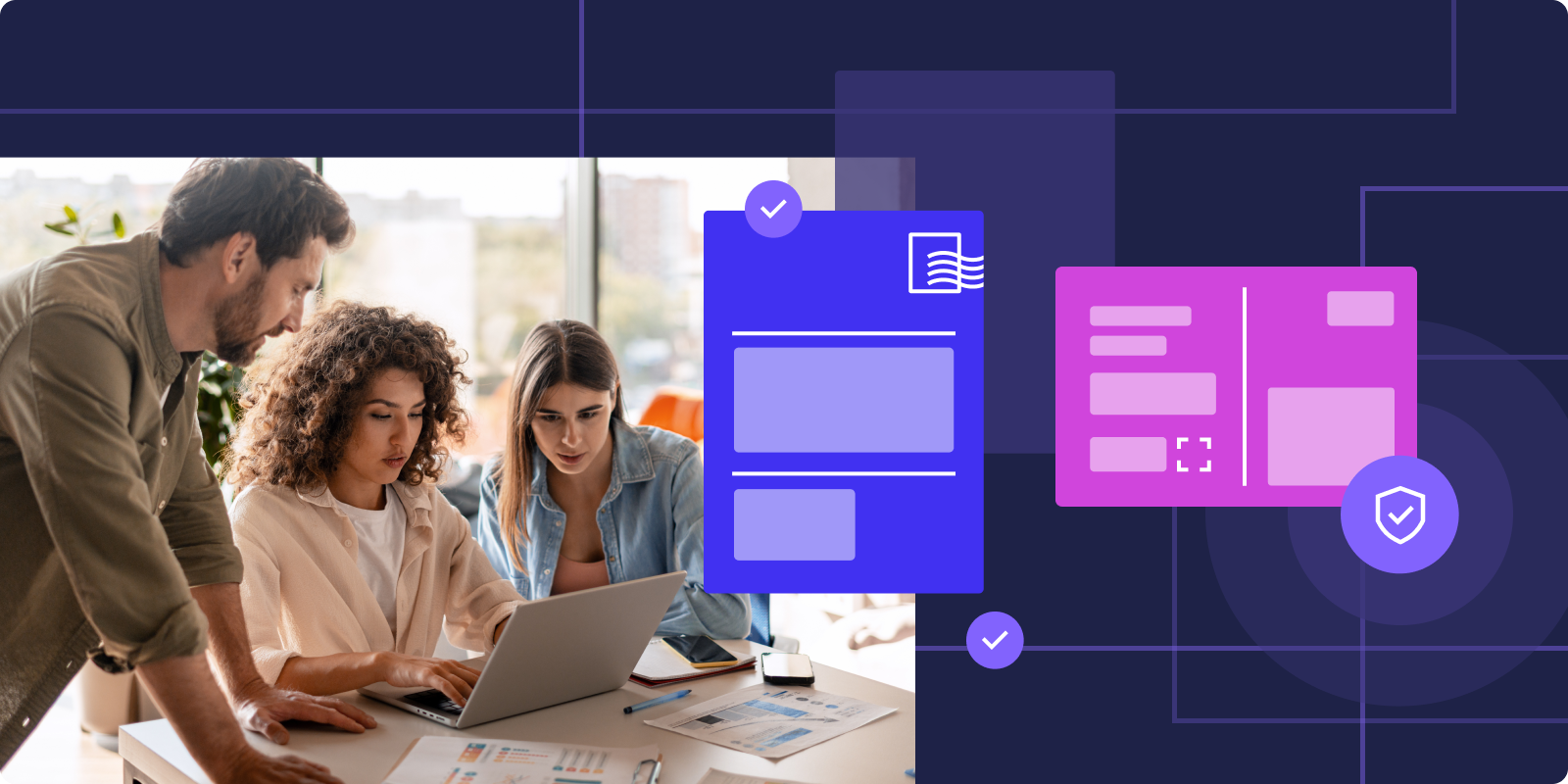
Healthcare direct mail can include sensitive information, so compliance needs to be built into the workflow from the beginning.
Understand what counts as PHI
Protected health information, or PHI, can include any information that identifies a patient and relates to their health status, care, or payment. That can include names, addresses, appointment details, health conditions, medical record numbers, and other patient-specific information.
Even the outside of the envelope matters. The exterior should not reveal sensitive details about the patient’s health, care, or reason for the mailing.
Work with vendors that support healthcare compliance
Healthcare organizations should look for vendors that can support secure data handling, documented workflows, and appropriate contractual requirements. HIPAA-compliant direct mail requires clear controls for how patient data is used, transferred, printed, and tracked.
At minimum, healthcare teams should ask about:
- Business Associate Agreements, or BAAs
- SOC 2 controls
- Data encryption
- Access controls
- Approval workflows
- Audit trails
- Suppression management
- Secure handling of patient data
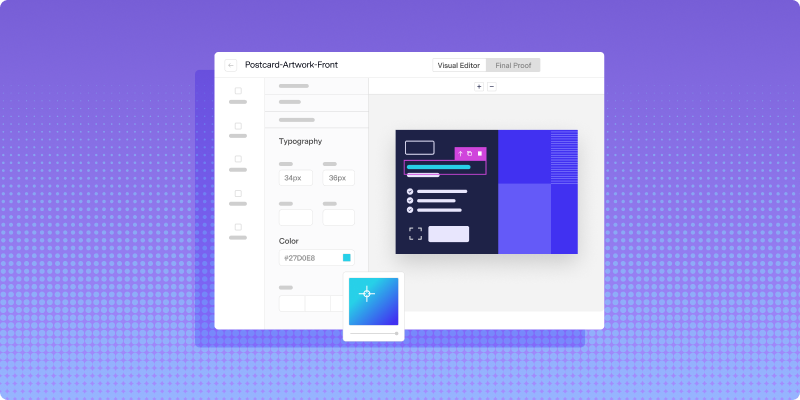
Compliance workflows for regulated direct mail can also help teams manage approvals, permissions, data handling, and delivery visibility before sensitive communications go out.
Limit unnecessary sensitive details
Not every healthcare mailer needs detailed medical information. In many cases, the safest approach is to include only the information the patient needs to understand the message and take the next step.
For example, a screening reminder may not need to list diagnosis details. A benefits reminder may not need to include sensitive account information. Keeping the message focused can reduce risk while improving clarity.
Features to look for in a healthcare direct mail platform
Healthcare teams need more than print and postage. They need a platform that can support secure workflows, automation, personalization, and tracking.
How automation supports healthcare direct mail
Manual healthcare mail programs can create delays and risk. Every export, upload, spreadsheet, and handoff introduces another chance for error.
Automation helps teams create a more controlled process. For example:
- A missed appointment can trigger a follow-up letter.
- A care gap can trigger a preventive screening reminder.
- A new member record can trigger a welcome mailer.
- A failed digital touchpoint can trigger a printed follow-up.
- A seasonal campaign can send to a defined patient or member segment.
This makes direct mail easier to manage at scale and helps teams reduce the operational drag that often comes with print programs.
How to measure healthcare direct mail performance
Healthcare direct mail is measurable when campaigns are connected to delivery and response data.
Teams can track:
- Mail production status
- Delivery progress
- Returned mail
- QR code engagement
- Calls from unique phone numbers
- Visits from personalized URLs
- Appointment scheduling
- Form completion
- Screening completion
- Other downstream patient actions
Real-time campaign tracking helps teams understand when mail is moving through the postal system and how offline outreach connects to digital actions.
For healthcare organizations, the most important metric is not always the mail response itself. It is what the patient does next. Did they schedule the appointment? Complete the screening? Renew coverage? Call for support? Those actions are what make direct mail valuable.
How to launch a healthcare direct mail program
Step 1: Identify patients with low digital engagement
Start with patients who are not responding to digital channels. Look for patterns across portal use, email engagement, missed appointments, incomplete forms, or overdue care actions.
Step 2: Choose the right use case
Pick a focused starting point. Appointment reminders, care gap outreach, open enrollment reminders, and new member welcome letters are often good places to begin because the message and next step are clear.
Step 3: Build compliant templates
Create templates that use plain language, clear CTAs, and only the patient information needed for the message. Review each template with the right internal stakeholders before launch.
Step 4: Connect your data sources
Connect the systems that determine when mail should be sent. This could include a CRM, marketing automation platform, care management system, or other approved data source.
Step 5: Configure triggers and approvals
Set rules for when mail should be sent, who needs to approve it, and what happens when a patient takes action.
Step 6: Track delivery and outcomes
Monitor production, delivery, response, and patient action. Use that information to refine audience segments, timing, message clarity, and follow-up workflows.
Build a healthcare direct mail program that reaches more patients
Digital channels are important, but they do not reach every patient. Direct mail gives healthcare organizations a practical way to communicate with patients who miss emails, avoid portals, lack reliable internet, or need printed information to take action.
The strongest programs treat direct mail as part of a connected engagement strategy. They use automation to reduce manual work, compliance workflows to protect patient data, and tracking to understand what happens after each piece is sent.
See how Lob supports healthcare direct mail programs by booking a demo.
FAQs about healthcare direct mail
FAQs

What is healthcare direct mail?
Healthcare direct mail is printed communication sent by healthcare organizations to patients, members, or caregivers. It can include appointment reminders, preventive care outreach, benefits information, enrollment notices, billing communications, and other care-related messages.
Why do healthcare organizations use direct mail?
Healthcare organizations use direct mail to reach patients who may not engage with portals, email, text messages, or apps. It can also support communications that need to feel more tangible, accessible, or carefully controlled.
Can healthcare direct mail be automated?
Yes. Healthcare organizations can automate direct mail by connecting approved data sources to a direct mail platform and setting rules for when specific mail pieces should be sent. This can help reduce manual work and support more consistent outreach.
How can healthcare organizations keep direct mail HIPAA compliant?
Healthcare organizations should limit unnecessary PHI, use secure data workflows, work with vendors that support healthcare compliance requirements, and involve legal or compliance teams in campaign review. Vendors handling PHI may also need to sign a BAA.
What should healthcare teams measure in direct mail campaigns?
Healthcare teams should measure delivery, response, and downstream patient action. Depending on the campaign, that could include appointment scheduling, completed screenings, benefit renewals, inbound calls, form completion, or other care-related outcomes.
Answered by:

Sam Melero