Direct mail can feel like a gamble. You finalize the creative, approve the list, hand it off to USPS, and then hope for the best. But the marketers getting the strongest returns aren't just crossing their fingers. They're making deliberate choices about entry points, timing and preparation that quietly reshape what their mail costs and how fast it arrives. These decisions rarely make it into strategy conversations, yet they matter as much as creative and targeting. Here's what's worth rethinking before your next drop.
1. USPS performance is more predictable than you think
If you find yourself confused about your mail once it hits USPS, you’re not alone. The majority of marketers lack visibility into the inner workings of the Postal Service. In our latest State of Direct Mail report, 84% of companies say they struggle to track USPS updates. And more than half of leaders attribute disrupted planning to shifting rates and models.
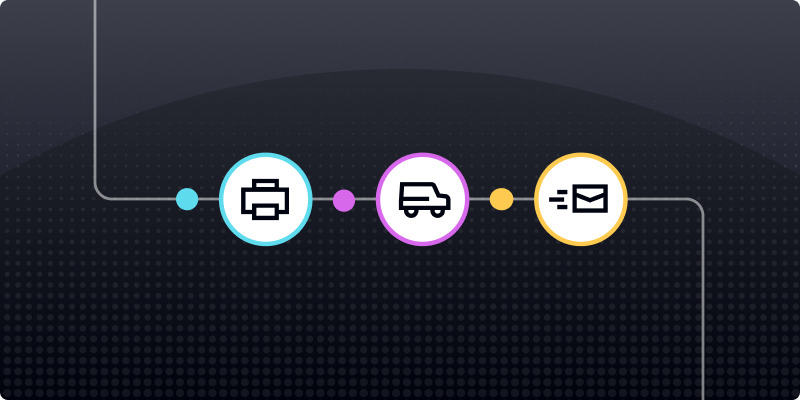
While USPS can seem random or unpredictable, it’s one of the most orchestrated logistics systems in the world. From drop to doorstep, each stage of the mail journey is designed to move your mail as efficiently, consistently, and cost-effectively as possible. Once you understand how it works, you can make it work harder for you.
2. Your entry point is a major factor in the performance of your campaign
Where mail enters the USPS network has a major impact on both cost and delivery speed, but most marketers never see or manage those decisions directly.
That’s because entry strategy is increasingly handled behind the scenes through logistics optimization. Rather than relying solely on origin entry (where USPS manages the entire journey from the point of printing onward) a logistics partner like Lob optimizes how mail enters the network based on factors like destination, timing, and delivery goals.
In many cases, that means entering mail closer to its final destination through regional facilities like SCFs, reducing unnecessary upstream movement through the USPS network and helping mail move more predictably.
3. The timing of your drop affects both delivery speed and cost
Direct mail timing doesn’t just affect when mail arrives in the mailbox – it impacts how efficiently mail moves through the USPS network. Volume spikes, seasonality, and transit variability can all affect processing flow, creating delays across a campaign.
That’s why timing optimization matters. Here’s just a couple of ways how it does:
- Logistics and routing infrastructure is designed to optimize mail entry, timing, and transportation behind the scenes to improve delivery predictability and overall campaign efficiency.
- Aligning sends with USPS promotional windows or selecting the right delivery strategy based on campaign goals can maximize the value of each mail drop.
4. Better segmentation and mail prep lead to better outcomes
USPS rewards efficiency, preparation, and volume. Understanding that framework allows you to be more proactive and intentional about every decision you make.
Here are a few strategies to consider:
- Proper batching
- Start by consolidating mail by geography, format, and timing so you can improve production efficiency.
- Precise audience segmentation
- Stop the guesswork. Reach the right recipients with the right messaging using advanced targeting and data-driven insights.
- Find the right partner
- Utilizing the right network gets you access to routing and logistics algorithms that are optimized to deliver your mail in the most efficient way.
What to change before your next mail drop.
You can’t control USPS efficiency, but you can control the way you approach direct mail. Before your next direct mail drop, take a closer look at:
- What your ideal drop timing should be based on projected in-home delivery dates.
- How clean your segments are so you don’t waste sends.
- The best way to structure your batches for USPS discounts.
- How your direct mail partners are leveraging direct mail logistics and routing.
Bottom line: Strong campaigns don’t come from bigger budgets or better creative. Sometimes the biggest gains start with a smarter delivery strategy and understanding how entry, timing, and preparation align with USPS operations.
Want to go deeper on mail strategy, logistics optimization, or USPS data?
Schedule a 1:1 conversation with our Postal Operations team to get tailored recommendations for improving delivery performance, timing, and overall mail efficiency.
FAQs about USPS and direct mail strategy
FAQs

Why does USPS mail entry point matter in direct mail?
Entry point impacts direct mail delivery speed by determining how far mail has to travel within the USPS network. Mail entered closer to its destination can often move faster and more cost efficiently.
Why does USPS reward well-prepared mail?
USPS is built for efficiency. Investing in USPS mail preparation reduces the processing burden on the postal system. Mail that is sorted, predictable, and operationally clean is easier to process, which can lead to lower costs and better delivery outcomes.
What parts of campaign preparation matter most?
When it comes to direct mail planning, batching and segmentation, direct mail routing strategy, and drop planning all play a role in how efficiently mail moves through USPS. The more structured your direct mail operations, the less friction your mail encounters in the network.
What is the main takeaway for marketers?
USPS isn’t random, it’s a system. The closer your direct mail strategy aligns with how it works, the better your cost and performance are likely to be. Teams with stronger direct mail performance are investing in proactive direct mail planning and smarter direct mail logistics.
Answered by: