
Your direct mail can look flawless in a proof, then show up in mailboxes looking slightly off. The blue feels different. The logo sits a little higher than last time. The paper stock is not what you expected. When you are running multiple campaigns, those small inconsistencies add up fast.
Brand consistency in print is not just a design problem. It is an operations problem. It comes down to the specs you standardize, the templates you lock, the partners you trust, and the checks you run before anything goes to press.
In this guide, we will walk through a system for keeping every mail piece on brand at scale. We will also share how we support consistency in Lob with centralized templates, print quality standards, and visibility into production and delivery.
What brand consistency means in direct mail
Brand consistency in direct mail means your visual identity, messaging, and print quality stay uniform across every piece you send. Recipients should recognize your mail as yours before they read it, based on stable cues like logo placement, type hierarchy, color accuracy, and tone.
Consistency does not mean every piece looks identical. It means the parts that define your brand stay fixed, while personalization stays inside guardrails.
Why brand consistency matters for mail campaigns
- Builds recognition and trust: When mail looks and sounds like the rest of your marketing, it feels intentional and credible.
- Supports long term relationships: Consistency signals professionalism across recurring touchpoints like onboarding, renewals, and win back.
- Reduces rework: Clear standards and locked templates lower the odds of outdated logos, wrong colors, and last minute fixes.
The most common consistency challenges
As programs scale, teams run into the same issues:
- Multiple vendors and locations introduce variation in color and finishing.
- Volume increases expose weak file handling and proofing habits.
- Brand assets get fragmented, so teams grab whatever is easiest.
- Distributed teams and partners are not working from the same playbook.
The fix is a system that makes the right assets and the right decisions repeatable.
A practical system for maintaining consistency
1) Translate your brand into print ready specs
Most digital brand guides do not cover what printers and reviewers need. Create a direct mail addendum that includes:
- Logo rules: approved lockups, clear space, minimum size, one color options.
- Color standards: Pantone references where possible, plus approved CMYK builds.
- Type rules: print safe fonts, hierarchy, and minimum sizes for readability.
- Layout rules: safe zones, margins, and where legal and postal elements live.
- Materials: approved stocks and finishes, plus notes on when output will shift.
Keep it short and visual. Add do and do not examples so reviews are not subjective.
2) Lock your brand into reusable templates
Templates are your best defense against drift. Build pre approved layouts for your core formats and lock the elements that should not change:
- Logo placement and size
- Core type hierarchy
- Brand color usage
- Key layout structure
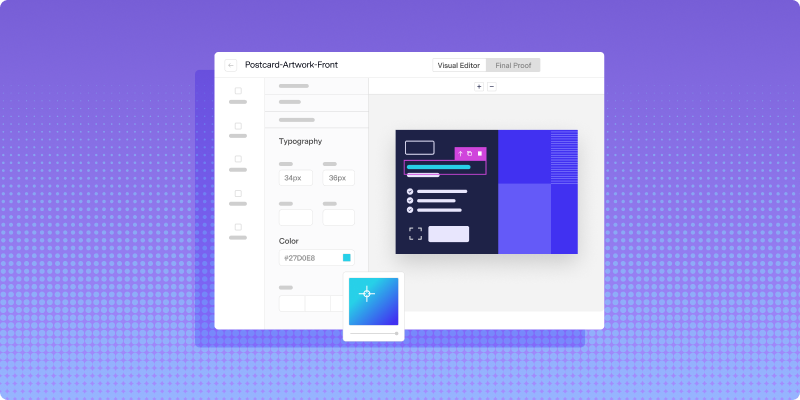
Then define what can vary, like offer copy, images within approved crops, and personalization fields. If you need a starting point, our direct mail template gallery shows common campaign patterns across formats and industries.
3) Set quality expectations with print partners
Different printers can produce noticeably different output. Ask partners how they manage color, calibration, and proof to production consistency. G7 certification is one widely used indicator that a printer can calibrate and maintain consistent color output across devices and substrates.
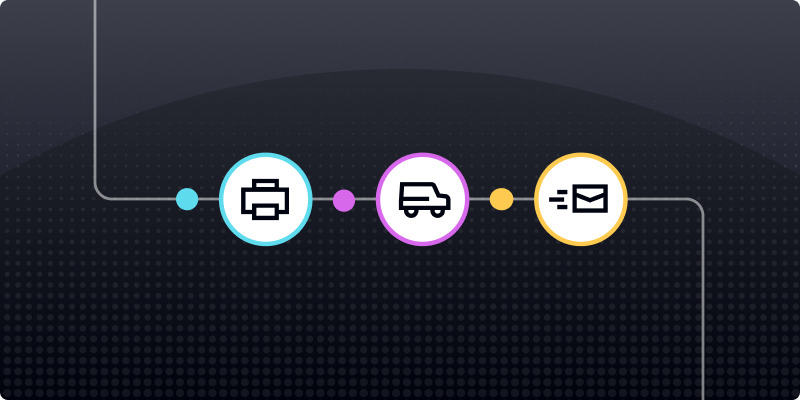
Lob’s Print Delivery Network is built on audited print partners and standardized production expectations. Combined with Production + Tracking, you get visibility into what is happening in production and in the mailstream, which makes it easier to catch issues before they become a pattern.
4) Centralize assets and control versions
Most brand mistakes start with file chaos. Create a single source of truth for:
- Current logos and retired versions
- Templates and who owns them
- Approved imagery and disclosures
- Naming conventions that remove ambiguity
Give agencies and regional teams access, but limit who can publish final assets.
5) Build an approval workflow that actually catches problems
Approvals work best when the review criteria is clear. Define owners and checkpoints:
- Brand check: layout, logo, type, tone.
- Print readiness: bleeds, safe zones, image resolution, color specs.
- Proof sign off: verifying the proof matches the approved design and data rules.
The goal is fewer surprises, not more process.
6) Audit real mail, not just proofs
The proof is not the final product. Create a sampling habit:
- Pull physical samples from key formats and campaigns.
- If you print across multiple locations, request samples from each.
- Compare output to your print guide and log what changed.
Quarterly is a solid baseline. Higher volume programs often benefit from more frequent sampling.
How to monitor consistency over time
You can keep this simple:
- Standards spot checks: side by side reviews of printed samples against your guide.
- Operational signals: track issues like reprints and proof rejections to find where drift is coming from.
- Customer signals: complaints, confusion, or lower response can be early indicators that trust is slipping.
If you want consistency to be the default, centralizing templates, assets, and production visibility matters. That is what we built Lob to do.
Ready to see how this works in your workflow? Book a demo and we will walk through how we help teams send brand consistent direct mail at scale. Learn more about the Lob platform.
FAQs about maintaining brand consistency in mail campaigns
FAQs

How do you ensure print colors match your brand standards across different printers?
Use print specific standards, like Pantone references and approved CMYK builds, not RGB values. Work with printers that document calibration and color management, and validate output with periodic sample pulls, especially if you print across multiple facilities.
What is the difference between brand consistency in print versus digital channels?
Print introduces physical variables like paper, coatings, and finishing, and it cannot be updated after production. Digital can be corrected quickly, but print requires tighter up front specs, proofing, and sampling to keep output consistent.
How do you balance personalization with brand consistency in direct mail?
Lock the brand fundamentals in templates, like logo placement, type hierarchy, and core layout, then allow personalization only in approved fields. This keeps the structure consistent while letting the message change by audience or trigger.
How often should you audit mail campaigns for brand consistency?
Quarterly audits work well for many organizations. If you send high volume, launch frequently, or print across multiple locations, monthly sample checks can help. Always audit when you introduce a new format, vendor, or major rebrand.
Answered by:

Sam Melero