
Most marketing teams treat direct mail like a separate channel with batch campaigns, static lists, and manual coordination. But direct mail is more effective when it becomes part of the automated customer journey, triggered by behavior and timed to arrive when it matters.
This guide covers where direct mail fits across the customer lifecycle, how to connect it to your existing technology, and how to launch triggered campaigns with Lob.
What it means to add direct mail to a customer journey
Adding direct mail to a customer journey means connecting customer data to an automated print-and-mail platform, setting behavior-based triggers, and tracking physical mail alongside digital channels.
Instead of pulling a static list and coordinating production weeks in advance, mail is triggered automatically when something happens, such as a signup, purchase, renewal, or period of inactivity.
Think of it like email automation, but physical. A customer abandons a cart, and a postcard follows. Someone reaches a loyalty milestone, and a thank-you card is sent without anyone preparing a spreadsheet.
A journey-based direct mail program includes:
- Triggered sends: Mail is sent after a specific action, event, or period of inactivity.
- Journey integration: Direct mail becomes one step in a coordinated customer sequence.
- Data-driven personalization: Content reflects customer information from your existing systems.
The main difference is that direct mail no longer operates on its own timeline. It works alongside email, advertising, and other touchpoints as part of the same flow.
Why direct mail belongs in modern customer journeys
Digital channels make it easy to communicate quickly, but customers can also become used to seeing the same emails and ads repeatedly.
Direct mail adds a physical touchpoint that can reinforce an important message, bring someone back to an unfinished action, or make a customer milestone feel more meaningful.
The goal is not to add mail everywhere. It is to identify moments when a physical message can do something another digital touchpoint cannot.
Good opportunities often include:
- High-intent actions
- Cart abandonment
- First purchases
- Account activation
- Renewal windows
- Loyalty milestones
- Declining engagement
- Win-back campaigns
When direct mail is connected to the larger journey, it strengthens existing communication instead of becoming another disconnected campaign.
Where direct mail fits across customer journey stages
Direct mail can support every stage of the customer lifecycle. The format, message, and timing should change depending on where the recipient is in the journey.
Awareness and prospecting mail
Prospecting postcards and brand introduction mailers can reach new audiences before they have engaged with your business.
The goal should be simple: encourage a first action. That may include scanning a QR code, visiting a landing page, requesting information, or redeeming an introductory offer.
Consideration and retargeting mail
Retargeting mail reinforces digital engagement with a physical reminder.
A postcard may be triggered after someone visits a high-intent page, begins an application, downloads a resource, or views a product without converting.
The message should continue the existing conversation rather than restart it. It might highlight the product someone viewed, answer a common question, or provide a clearer next step.
Conversion and cart abandonment mail
Cart abandonment is a strong trigger because the customer has already shown interest.
A recovery postcard might include:
- The product left behind
- A personalized offer
- A QR code leading back to the cart
- An expiration date
- A direct call to action
The mailpiece should complement the existing recovery sequence rather than repeat the first reminder email.
Direct mail can also support incomplete applications, missed appointments, unfinished forms, and unredeemed offers.
Onboarding and welcome mail
Welcome postcards, getting-started guides, and thank-you cards can make a new customer relationship feel more intentional.
The goal is activation. The mailpiece should help the customer complete setup, understand the product, use a benefit, or take the next step.
Common onboarding campaigns include:
- Welcome postcards
- Setup guides
- First-purchase thank-you cards
- Product education materials
- Referral invitations
Retention, loyalty, and renewal mail
Direct mail can recognize important customer milestones while encouraging long-term engagement.
Common triggers include:
- Purchase anniversaries
- Loyalty tier changes
- Membership milestones
- Upcoming renewals
- Expiring benefits
- Customer birthdays
The message should reflect the existing relationship. A loyal customer should receive something more relevant than a generic acquisition offer.
Win-back and reactivation mail
Win-back campaigns target customers whose purchasing or engagement activity has declined.
A mailpiece may be triggered after:
- A defined period without a purchase
- Reduced product activity
- Missed renewal activity
- Repeatedly ignored digital messages
- A canceled subscription
The right inactivity window depends on normal customer behavior. Teams can use purchase, engagement, and lifecycle data to trigger direct mail when a physical message has a clear chance to re-engage someone.
How triggered direct mail works with your technology stack
Triggered direct mail begins with an event recorded in a CRM, customer data system, marketing platform, or internal database.
The workflow usually follows this process:
- A customer action or data change occurs.
- The customer meets the campaign criteria.
- The required data is sent to Lob.
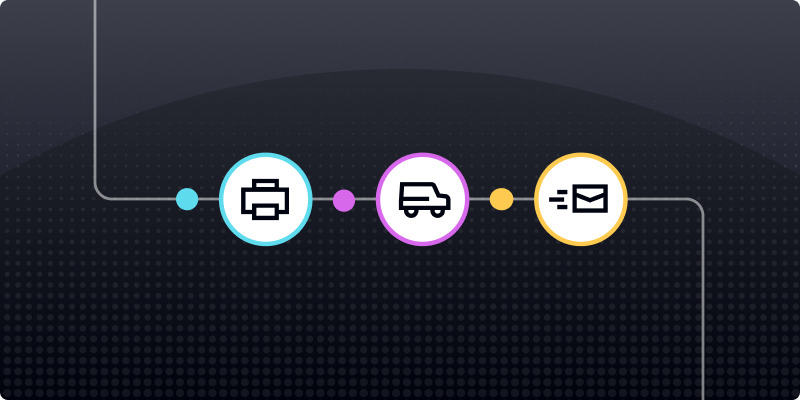
- Lob creates and sends the personalized mailpiece.
- Production and delivery events return to the connected system.
Teams can build these connections through APIs, webhooks, supported integrations, no-code workflows, or custom data connections.
The goal is to create a reliable flow of current customer data so the campaign does not depend on someone exporting and uploading a new list each time.
How to add direct mail to your customer journey step by step
1. Map the journey and identify mail moments
Start with your existing customer journey.
Look for important stages, high-intent actions, and common drop-off points where direct mail could add value. Do not add mail to every step. Choose one or two moments with a clear purpose.
Strong starting points include:
- Cart abandonment
- First purchase
- Account activation
- Renewal
- Loyalty milestones
- Inactivity
2. Connect your customer data
Connect Lob to the system that contains the information needed to build the audience, trigger the campaign, and personalize the mailpiece.
That data might include:
- Contact and address information
- Customer status
- Purchase history
- Product activity
- Renewal dates
- Loyalty status
- Offer eligibility
Confirm that the data is current and consistently formatted before launching the campaign.
3. Build the trigger and audience logic
Define exactly who should receive mail and when.
For example:
“Send a postcard three days after cart abandonment if the customer has not completed the purchase.”
Include exclusion rules as well. A customer should be removed from the workflow if they convert, change status, receive another offer, or no longer qualify.
Specific logic helps prevent duplicate or irrelevant communication.
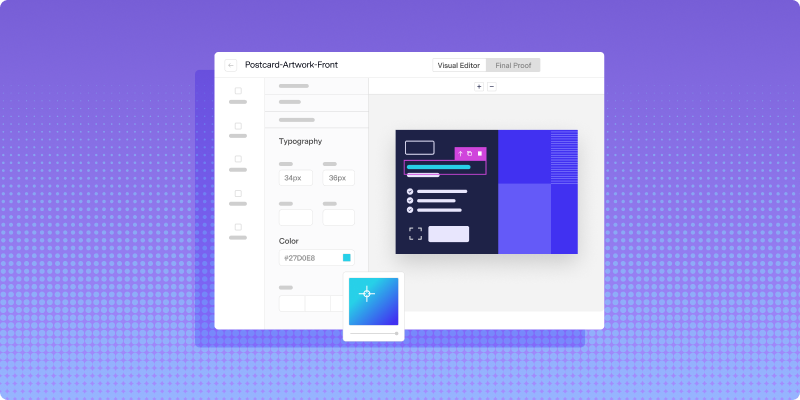
4. Design and personalize the mailpiece
Choose a format that matches the message.
Postcards work well for reminders, offers, and simple calls to action. Letters provide more room for detailed or account-related communication. Self-mailers can support visual storytelling and longer explanations.
Personalization can include:
- Names
- Products viewed or purchased
- Account details
- Offers
- Images
- Loyalty information
- Expiration dates
- QR codes
- Personalized URLs
Personalization should go beyond adding a name. Customer data can also shape the message, image, offer, and next step.
5. Plan production and delivery timing
Direct mail cannot be delivered instantly, so plan backward from when the piece should arrive.
Consider:
- Production time
- Mail format
- Postage class
- Expected delivery window
- Offer expiration
- Digital messages scheduled around the mailpiece
Understanding the difference between the drop date, expected in-home date, and response date makes it easier to coordinate timing across channels.
6. Launch, track, and attribute
Before launch, confirm that the correct trigger activates the workflow, personalization fields populate properly, addresses are verified, and QR codes and URLs work.
Once the campaign is live, measure both delivery and response.
Common tracking methods include:
- QR codes
- Personalized URLs
- Unique offer codes
- Dedicated phone numbers
- Delivery events
- Customer record matching
- Holdout groups
The right method depends on the campaign goal and how customers are expected to respond.
How to personalize direct mail inside a journey
Effective personalization uses customer information to make the mailpiece more useful and relevant.
Behavioral data
Recent browsing, purchases, service activity, and engagement can determine which message or offer the customer receives.
Lifecycle stage
New customers, loyal customers, inactive customers, and customers approaching renewal should receive different communication.
Transaction history
Purchase frequency, product category, order value, and previous offers can shape recommendations and incentives.
Dynamic creative
Variable text, images, offers, QR codes, and calls to action allow one template to support multiple customer segments.
The purpose of personalized direct mail is not simply to show that customer data is available. It is to make the communication feel relevant to the recipient’s current situation.
How to time direct mail with digital touchpoints
Direct mail requires more planning than an immediate digital message. Teams need to consider when the piece enters production, when it is expected to arrive, and what other communication is scheduled around it.
The mailpiece should have a clear relationship to the surrounding digital communication.
It might:
- Follow an email that did not lead to action
- Arrive before a renewal deadline
- Reinforce a digital campaign
- Precede a sales follow-up
- Support a reactivation sequence
- Provide a physical reminder after a high-intent action
The channels should reinforce one another without repeating the exact same message.
How to measure direct mail performance in a journey
Measuring a journey-based campaign requires both delivery information and customer response data.
Delivery tracking
Production and postal events provide visibility into when a mailpiece enters the mailstream and when the recipient likely has an opportunity to respond.
Connecting direct mail tracking to campaign performance helps teams coordinate follow-up communication and evaluate timing.
Response tracking
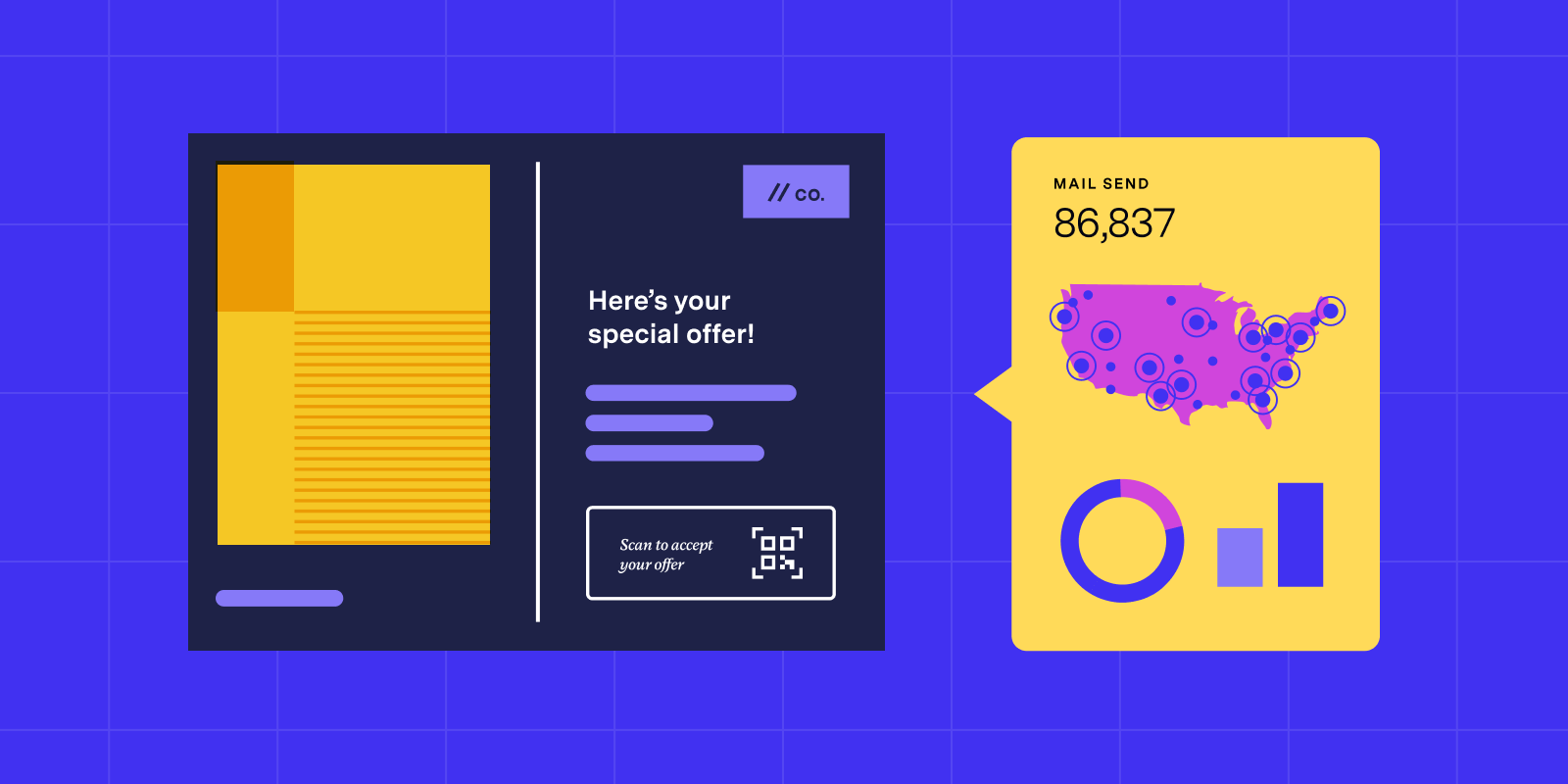
QR codes, personalized URLs, unique offer codes, and dedicated phone numbers can connect the mailpiece to a customer response.
Conversion tracking
Define the desired conversion before launch.
That could include:
- A purchase
- A renewal
- An appointment
- An application
- An account activation
- A form submission
- An offer redemption
Cross-channel attribution
A customer may receive a mailpiece and later convert through another channel. Measuring the entire journey helps teams understand direct mail’s contribution instead of giving all the credit to the final interaction.
Holdout testing
A holdout group contains customers who meet the campaign criteria but do not receive the mailpiece.
Comparing their results with the mailed group can help determine whether direct mail created additional conversions.
How to optimize direct mail touchpoints
Once the campaign is running, teams can test and improve different parts of the workflow.
Test the trigger
Compare different customer events, inactivity windows, or audience criteria.
Test the timing
Determine whether the mailpiece should be sent earlier or later in the journey.
Test the format
Compare postcards, letters, or self-mailers when more than one format could support the goal.
Test the creative
Experiment with headlines, images, offers, calls to action, personalization, and QR code placement.
Review suppression rules
Regularly confirm that customers who already converted, changed status, or received another offer are removed from the workflow.
Review delivery and response data together
A change in performance may be caused by delivery timing rather than the creative or offer. Review production, delivery, response, and conversion data before deciding what to change.
Build a connected customer journey with Lob
Direct mail does not need to remain a separate batch campaign.
Lob connects customer data, automated campaign logic, dynamic creative, address verification, production, and delivery tracking in one platform.
Teams can use these capabilities to add relevant physical touchpoints to acquisition, onboarding, retention, renewal, and reactivation journeys without introducing a separate manual workflow.
Book a demo to see how Lob can bring automated direct mail into your customer journey.
Frequently asked questions about adding direct mail to customer journeys
FAQs

What is customer journey direct mail?
Customer journey direct mail is physical mail triggered by customer behavior, data, or lifecycle milestones. It becomes one coordinated step within a larger marketing or customer communication sequence.
What actions can trigger direct mail?
Common triggers include signups, first purchases, cart abandonment, incomplete applications, upcoming renewals, loyalty milestones, account changes, and periods of inactivity.
How does Lob connect direct mail to customer data?
Lob can connect with customer data and marketing systems through APIs, webhooks, supported integrations, no-code workflows, and custom data connections.
How should direct mail be timed with email?
Mail may follow an initial email, arrive before a deadline, or trigger a digital follow-up after delivery. The timing should reflect the campaign goal and expected delivery window.
How can direct mail be personalized?
Teams can personalize names, messages, offers, images, products, account information, expiration dates, QR codes, personalized URLs, and calls to action.
How do you track direct mail performance?
Teams can combine production and delivery events with QR codes, personalized URLs, offer codes, customer matching, conversion data, and holdout testing.
Where should you add direct mail to a customer journey?
Start with a high-value or high-drop-off moment where physical mail can add something different from existing digital communication. Cart recovery, onboarding, renewal, and reactivation are common starting points.
Answered by: