
Political campaigns have no shortage of ways to reach voters. What direct mail still offers is a physical way to put a message in front of the right households at the right time.
That is what keeps it relevant in modern campaign strategy. A mailpiece can support voter outreach, fundraising, event promotion, and turnout efforts while reinforcing what voters are already seeing across other channels. When campaigns combine strong targeting with automation and better tracking, direct mail becomes easier to manage and easier to measure.
Why political campaigns still use direct mail
Direct mail continues to matter because it gives campaigns a different kind of presence than a digital ad or email. A printed piece arrives at home, can be read on a voter’s own time, and can stay visible longer than a passing impression.
It also fits naturally into a broader campaign strategy. Direct mail does not need to replace email, digital ads, or field outreach. It works best when it supports those efforts and helps create a more coordinated voter journey.
For campaigns trying to balance message control, timing, and targeting, that combination can be especially useful.
What political direct mail is
Political direct mail refers to printed campaign communications sent to selected voters through the mail. That can include postcards, letters, self-mailers, brochures, and other formats used to introduce a candidate, highlight an issue, promote an event, or encourage voting.
What makes it different from broader advertising is precision. Campaigns are not sending the same message to everyone. They are choosing which households to reach and tailoring the message around the audience they want to influence or mobilize.
Key advantages of direct mail for political campaigns
More targeted outreach
Direct mail gives campaigns a way to reach specific voter segments based on geography, voting history, party registration, or other audience criteria available through their campaign data. That makes it easier to send messages that feel more relevant to the households receiving them.
Personalization at scale
Campaigns often need to speak differently to different voter groups. One audience may care most about local schools, while another is more focused on public safety, taxes, or turnout logistics. Personalized direct mail makes that possible without treating the entire list the same way.
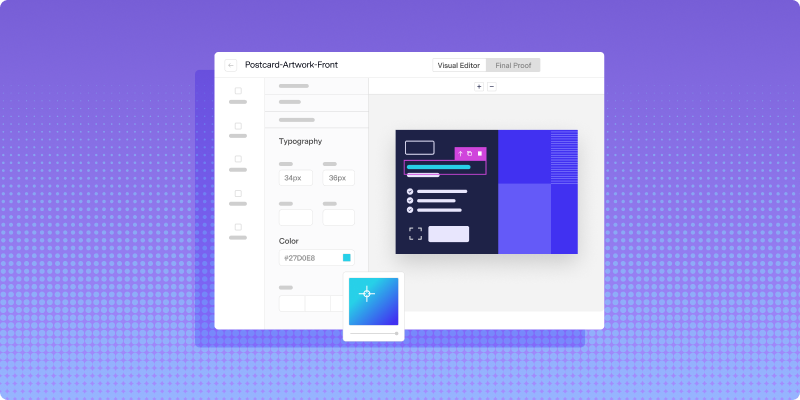
Lob positions direct mail as a data-driven channel that can be personalized, targeted, and managed at scale, whether campaigns work through a dashboard or connected tools.
A more tangible format
A physical mailpiece creates a different kind of interaction than a digital message. It can be read quickly, saved for later, or used as a reminder closer to Election Day. That gives campaigns another way to stay visible during a crowded communications cycle.
Stronger coordination across channels
Direct mail is often most useful when it works alongside digital efforts. A voter may first see a message online, then receive a related mailpiece, then get a follow-up email or text. That kind of sequencing can make the overall campaign feel more connected.
Types of political direct mail formats
Postcards
Postcards are a practical choice for campaign reminders, quick persuasion messages, and turnout outreach. They are easy to scan and do not require the voter to open an envelope.
Letters and self-mailers
Letters and self-mailers offer more room to explain a position, tell a candidate story, or deliver a more personal ask. They can be a better fit when the campaign needs more context than a postcard allows.
Brochures and flyers
For campaigns that need to introduce a lesser-known candidate or walk through multiple issues, brochures and flyers give more space without forcing the message into a cramped layout.
Oversized formats
Larger formats can make sense when the campaign wants more visibility for a key audience or a high-priority moment late in the cycle.
How to build an effective voter mailing list
Start with campaign goals
Before building the list, get clear on the purpose of the campaign. A persuasion effort, turnout push, fundraising appeal, and event invitation may all require different audiences.
Define your target segments
Once the goal is clear, campaigns can build audiences based on geography, voting behavior, party registration, or other relevant criteria. The more clearly the audience is defined, the easier it is to make the mailpiece feel useful and specific.
Prioritize address quality
List quality matters just as much as targeting. Bad addresses create waste and reduce the reach of the campaign.
Lob’s address verification tools are positioned around helping teams work with more accurate, deliverable address data before mail is sent.
Keep the list current
Campaign lists should be reviewed and refreshed throughout the cycle. That helps reduce duplication, improve deliverability, and keep outreach focused on the right households.
Design best practices for political mailers
Lead with one clear message
The strongest campaign mailers are usually built around one main takeaway. Trying to fit too many ideas into one piece can weaken the message and make the next step less clear.
Use clear visual hierarchy
Design should guide the reader quickly. Strong headlines, readable copy, clear imagery, and enough contrast all help the piece communicate faster.
Make the next step obvious
Every mailpiece should point the voter toward one clear action. That might be learning more, attending an event, making a donation, or making a plan to vote.
Match timing to the campaign calendar
Timing matters in politics. Early pieces may focus on introduction or issue positioning, while later pieces may support turnout, fundraising, or final reinforcement ahead of Election Day.
How much political direct mail costs
Cost depends on the format, volume, level of personalization, and how the campaign handles production and mailing. A simple postcard program will look different from a more complex multistep campaign with personalized creative and tighter timing.
What matters most is whether the campaign has a clear sense of who it is trying to reach and what role the mail is supposed to play.
How to automate political direct mail campaigns
Replace slower manual workflows
Traditional direct mail can involve multiple file handoffs, proofing cycles, vendor coordination, and limited visibility once the campaign is in motion. Automation helps reduce that operational friction.
Trigger mail from campaign activity
Mail does not have to be limited to a static batch send. It can also respond to campaign activity such as donations, event sign-ups, volunteer engagement, or other moments that make follow-up mail more timely.
Scale without losing control
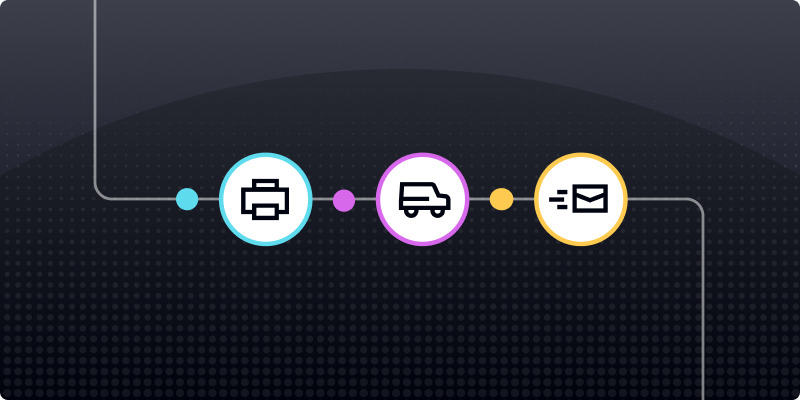
Lob positions its direct mail platform around automation, campaign tools, and a nationwide Print Delivery Network that supports production closer to the final destination while giving teams better visibility into each send.
How to measure political direct mail effectiveness
Track response and action
Campaigns can connect mail to digital actions through QR codes, dedicated landing pages, or other attribution methods. That makes it easier to understand which messages are driving engagement.
Test and refine over time
Different audiences may respond to different formats, messages, or creative approaches. Testing helps campaigns improve over time instead of relying on assumptions.
Bring mail data into broader reporting
Direct mail becomes easier to evaluate when delivery and response data are visible alongside the rest of the campaign mix. Lob emphasizes production-to-delivery visibility so teams can track mail at the mailpiece level.
How to integrate direct mail with digital campaign efforts
Coordinate mail with email and digital outreach
Direct mail works better when it is part of a larger sequence. A voter may first see a message online, then receive a related mailpiece, then get another touchpoint that reinforces the same message.
Use campaign signals to guide sends
Online engagement, sign-ups, and other campaign actions can help determine which message should go to which audience and when.
Build a more connected voter journey
When mail and digital channels work together, campaigns can create a more consistent experience instead of relying too heavily on any one format.
How to choose the right political direct mail partner
For campaigns, the right partner should support targeting, personalization, address quality, production visibility, and speed. The goal is not just to print mail. It is to make direct mail easier to execute as part of a modern campaign operation.
Lob’s platform positioning centers on those capabilities: campaign management, personalization, address verification, production routing, and tracking from production through delivery.
Book a demo to see how Lob helps teams run more connected direct mail programs.
FAQs about political direct mail
FAQs

What is political direct mail used for?
Political direct mail can support candidate introductions, issue messaging, fundraising, event promotion, and turnout communication.
Can direct mail work with digital outreach?
Yes. Direct mail is often most useful when it reinforces digital channels instead of operating on its own.
Why does address quality matter?
Address quality affects whether mail reaches the intended household. Better address data helps reduce waste and improve campaign execution. Lob offers address verification tools designed to support that process.
What should campaigns measure?
Campaigns should look at delivery, response, conversions, and the role direct mail plays within the broader outreach mix.
What should a campaign look for in a mail partner?
Campaigns usually need a partner that can support targeting, personalization, tracking, and operational flexibility, especially when timelines tighten late in the cycle.
Answered by: