Direct mail earns a reputation as a retention channel. It's where win-back campaigns live, where renewal reminders go, where existing customers get nurtured.
But direct mail works just as well at the top of the funnel, and in some categories it outperforms digital channels for cold acquisition because it shows up somewhere digital can't: the physical mailbox.
Why direct mail works for lead generation
According to Lob's State of Direct Mail 2026: Consumer Insights report, 48% of consumers say receiving direct mail from a brand they've never purchased from increases the chances they'll try it. Among Millennials, that climbs to 58%.
That's a meaningful acquisition signal. A well-targeted piece reaching someone who has never heard of your brand can move them from unaware to interested in a single touchpoint.
Start with the right list
Lead generation mail lives or dies on list quality. Sending to a cold audience means you're working without the trust advantage of an existing relationship, so targeting has to do more of the work.
Compiled lists built from demographic and geographic data give you broad reach. Response lists built from demonstrated behavior (people who have purchased in a related category, subscribed to a relevant publication, or responded to similar offers) tend to perform better because they're built from signals of intent rather than just matching characteristics.
Lookalike modeling takes this further. Starting with your best existing customers and finding prospects who share their attributes gives you a cold list that behaves more like a warm one.
The offer has to earn attention fast
With a cold audience, you don't have brand familiarity to fall back on. The piece has to communicate value immediately. A strong lead generation mailer answers "what's in it for me" before the recipient decides whether to keep reading.
Specific offers outperform vague ones. A concrete benefit – a discount, a free consultation, a trial – gives a prospect a reason to act that a general brand awareness message doesn't. Include a clear deadline to create a reason to act now rather than later.
Give them an easy next step
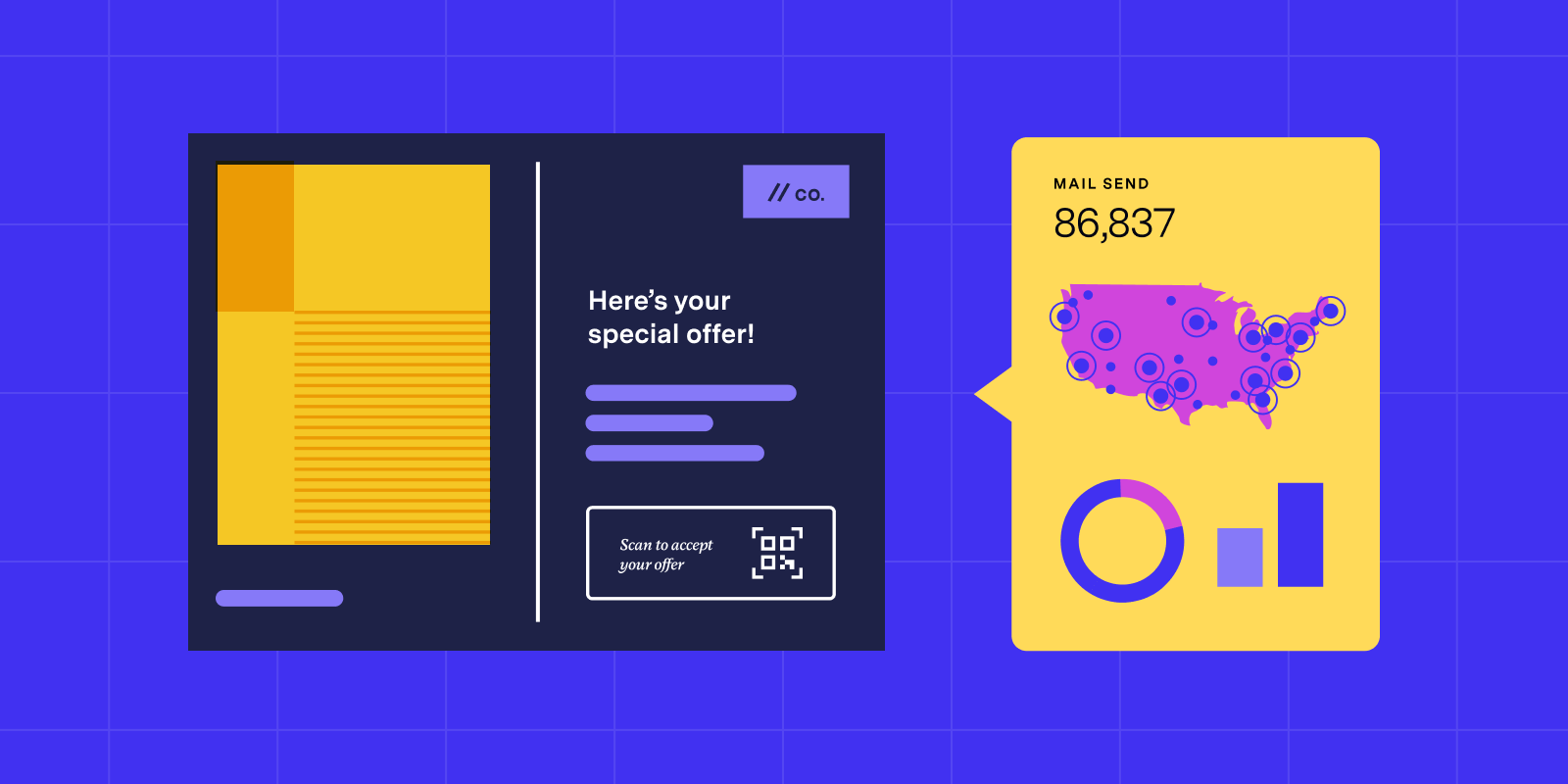
Lead generation mail works best when it drives a specific action: visit a URL, scan a QR code, call a number. The easier that next step is to take, the more leads you capture.
79% of consumers say they've taken a digital action after receiving direct mail, according to the same report. For lead generation, that digital action is the conversion point. A landing page built specifically for the campaign, rather than a generic homepage, keeps the experience consistent from mailbox to web and makes it easier to track who responded.
Measure and iterate
Lead generation mail is worth testing systematically. Format, offer, list source, and creative all affect response rates, and cold audiences give you a clean baseline to measure against. Each campaign teaches you something that makes the next one sharper.
FAQs

Answered by:

Sam Melero