State of Direct Mail 2026
Consumer
Insights Edition
Letter from the CEO
Every year, our State of Direct Mail Consumer Insights report reveals how consumer attitudes toward direct mail are changing – and what that means for marketers.
This year, one thing stands out. Economic pressure is changing not only how consumers shop, but how they use direct mail. They're looking for value, comparing offers more carefully, and holding onto mail longer as they make purchasing decisions. At the same time, they're expecting personalization that actually feels personal. Our research shows that relevance looks different across generations. The offers, messaging, and personalization that resonate with Gen Z aren't always what motivates Millennials, Gen X, or Boomers. One-size-fits-all simply doesn't work anymore.
That's the opportunity. The brands that win will be the ones that deliver timely, relevant direct mail that earns attention, builds trust, and helps people make confident buying decisions.
I hope this year's report gives you a fresh perspective and practical ways to create direct mail your customers actually want to receive.
Ryan Ferrier
CEO, Lob
Study Methodology
Lob conducted this study in partnership with Kirin Analytics and PureSpectrum. The online survey was completed in July 2026 with 2,000 adult consumers across the United States, nationally representative of age, gender, income, and region.
Key takeaways
Price-conscious shoppers are paying closer attention to mail.
84% of consumers say rising prices have changed how they shop, and 66% say they like referring back to direct mail when considering a purchase.
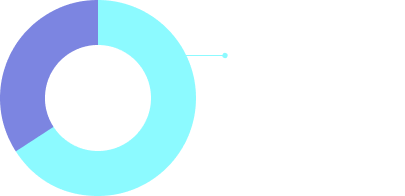
Personalized mail looks different for every generation.
89% of consumers say relevant mail influences them to take action, but what feels relevant (and what they take action on) changes by generation.
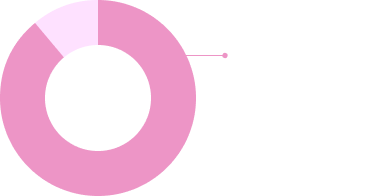
The mailbox remains one of the few marketing moments built into everyday life.
82% of consumers collect their mail daily or nearly every day, and 87% read it the same day they receive it.
Direct mail's trust advantage is growing.
34% of consumers say direct mail feels more trustworthy than digital communication, a 9-point increase from last year.
Consumers don't mind AI. They mind experiences that don't feel authentic.
82% are comfortable with (or neutral on) brands using AI to create direct mail, but 62% say AI has made them more skeptical of digital ads + AI slop.
Direct mail sparks action beyond the mailbox.
79% of consumers have taken a digital action after receiving direct mail, and 65% have made a purchase, signed up, or become a customer because of it.
Part one: Economic pressures
In a tight economy, consumers lean on direct mail.
Eighty-four percent of consumers say rising prices have changed how they shop. They're spending more carefully, delaying purchases, comparing options, and looking harder for real value before they buy.
This shift is changing the role of direct mail, too. Sixty-eight percent say economic conditions have changed what they pay attention to in their mailbox, with deals, affordability, and useful information taking center stage.
How have rising prices affected your shopping habits over the past year?
When you delay a purchase, what are the most common reasons?
“Yes, rising prices and the general economic climate have definitely shifted what catches my eye when I look through direct mail. Instead of just browsing for inspiration or new products like I might have in the past, I now immediately scan for tangible value.”
“I pay attention to discounts, sales or special offers. Any kind of financial break I can get. I will definitely take advantage of it.”
Over the past year, have you used direct mail for any of the following when
making a purchase decision?
Design for the second read.
Many purchases don't happen the day your mail arrives. Make your piece useful after the first glance with side-by-side product comparisons, financing details, limited-time offers, or a QR code that saves shoppers a step when they're ready to buy.
Part two: Personalization + conversion
The rules of personalization change by generation.
Personalization is one of the strongest drivers of conversion. Nearly 9 in 10 consumers say relevant personalized mail is what influenced them to take action. But what feels relevant? It’s not the same for everyone. Baby boomers are more likely to respond to practical shopping context, such as offers and promotions, while younger generations place greater value on basic personalization and life stage marketing. The takeaway is simple: personalization works, but only when your definition of "personal" matches your audience’s.
Thinking of times you’ve taken action after receiving direct mail, which of the
following elements of the direct mail piece influenced you to take action?
Which of the following actions have you ever taken after receiving a piece of direct mail?
Layer your personalization.
Start with the basics, like a customer's name, but don't stop there. Pair it with a timely offer, a relevant product, or messaging tied to a current need or life stage. Build campaigns around moments, motivations, and needs, not just customer profiles.
Imagine you received a piece of direct mail from a brand you are interested in. Which
of the following ways of getting more information would you be most likely to use?
Direct mail drives both acquisition and retention
Direct mail influences consumers throughout the customer journey. Eighty-three percent say it would encourage them to re-engage with a brand, while 48% say it makes them more likely to try a brand they've never purchased from before.
When deciding whether to re-engage with a brand you haven’t purchased from or interacted
with in a while, how much would receiving a direct mail piece influence your decision?
Part Three: Consumer perspectives + behavior
Mail isn't another marketing touchpoint. It's a daily ritual.
The mailbox is one of the few marketing touchpoints built into everyday life. More than 80% of consumers collect their mail daily or nearly every day, and 87% read direct mail the same day they bring it inside. Whether driven by habit or expectation, checking the mail remains a consistent ritual across generations, creating a moment of attention that digital channels often have to fight to earn.
How often do you typically collect your mail?
Design for the mindset behind the mailbox.
76% of Baby Boomers check the mailbox out of habit, while 49% of Gen Z check because they're expecting something. The ritual is the same, but the motivation is different. Build for both: reinforce trust with consistent branding for habitual mail checkers, and reward anticipation with timely offers, exclusive content, or personalized messaging.
When you receive direct mail from a brand, what do you typically do with it?
What do you like about receiving direct mail from brands?
Would any of the following possible characteristics of direct mail turn you off
and cause you to put it straight in the trash?
Direct mail's trust advantage is growing
Consumers still crave experiences that feel real. As digital marketing becomes increasingly crowded, direct mail continues to stand apart. This year, 34% of consumers said direct mail feels more trustworthy than digital communication, a nine-point increase from 2025. Overall, nearly two-thirds say direct mail feels more authentic, trustworthy, valuable, or memorable than digital.
Compared to digital communication and ads, does direct mail from a
brand feel more…?
Part FOUR: AI
Consumers care more about authenticity than AI.
Consumers are surprisingly comfortable with AI playing a role in the creation of direct mail, especially when it's used to personalize offers, tailor content, or improve relevance. But 62% say the rise of AI has made them more skeptical of digital ads, as they encounter “slop” more frequently in online spaces.
The takeaway isn't to avoid AI. It's to use it where it adds value, then have humans make sure every campaign feels thoughtful, relevant, and worthy of trust.
How comfortable are you with brands using AI for each of the following when
creating direct mail?
“AI makes me more cautious but also more attentive to truly personalized, relevant, and trustworthy direct mail from brands.”
“It makes me more skeptical of online advertising. AI has no effect on how I respond to direct marketing.”
“If used effectively (meaning it was vetted extensively afterward) I don't have a problem. But if it's obvious and shoddy, I will think less of the brand that uses it.”
“AI doesn't matter to me. What matters is value.”
How has the rise of AI changed how you think about or respond to direct
mail from brands?
Use AI to improve relevance, then review for trust.
Tailor the offer, content, or timing, but have a human check every piece for accuracy, tone, and anything that could feel generic, confusing, or overly personal.
How confident are you that you could tell whether a piece of direct mail was created using AI?
What’s next? Four ways to put these insights into practice
Survey Methodology
About the respondents
Mail that’s high volume and high quality? Absolutely