
AI isn't replacing direct mail teams, but it is changing how they work.
In our latest State of Direct Mail Business Insights report, 99% of marketing and operations leaders say they’re using AI or automation in their programs. But what sets the most successful teams apart is the way they use it. Instead of turning to AI to create entire campaigns, they leverage AI to remove bottlenecks and support smarter decision making.
Direct mail teams that use AI with intent can accelerate programs, scale personalization, and reduce repetitive work – giving marketers more time to focus on creativity, strategy, and customer experience. Here’s where AI is making the biggest impact in direct mail:
1. Turning customer data into better segmentation
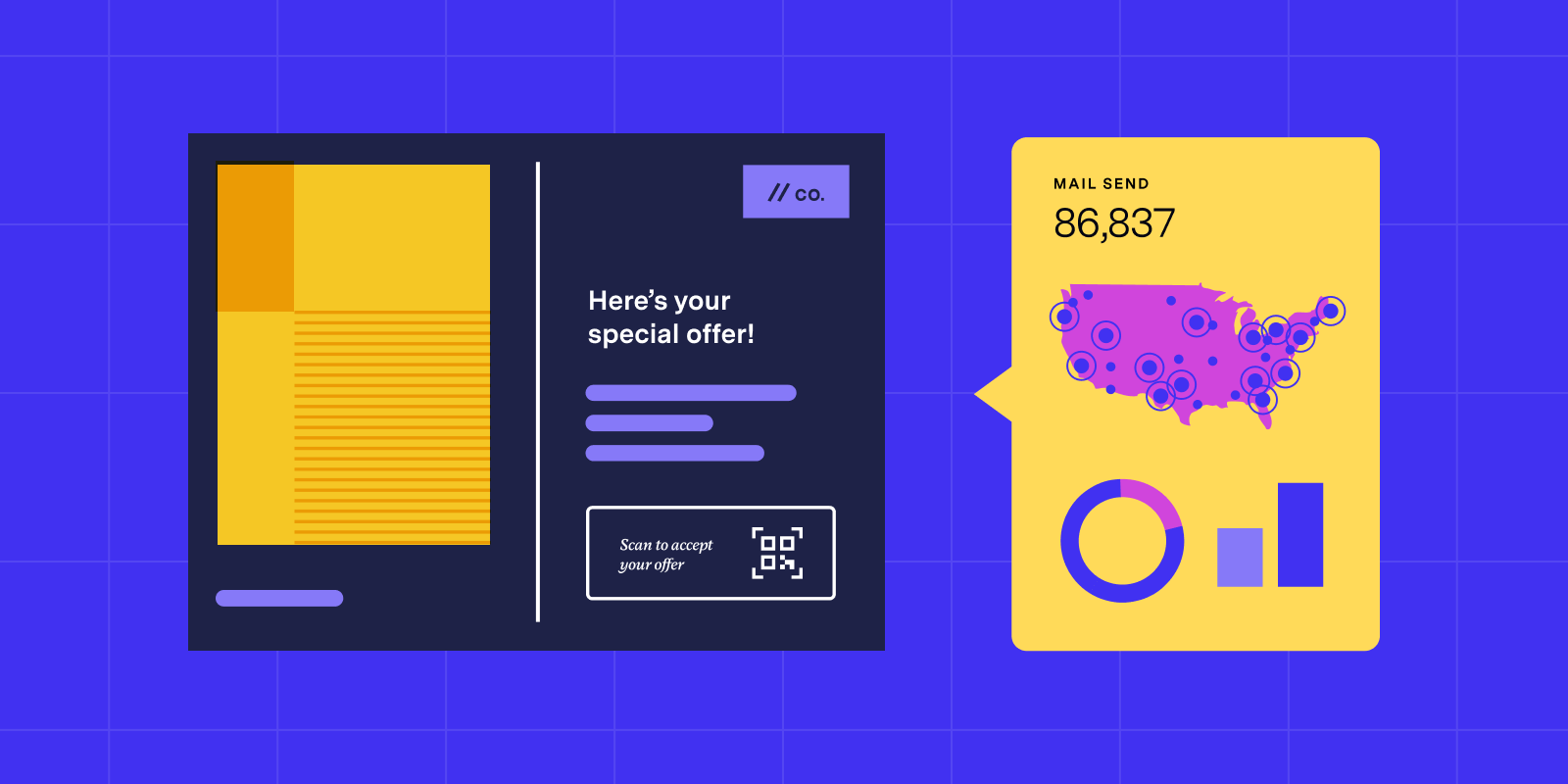
For your creative to convert, it needs to reach the right audience. AI helps marketers analyze all available customer and campaign datasets in seconds, uncovering hidden patterns and trends that would take hours (or even days) to sort through manually. These insights help direct mail teams identify high-intent audiences and segment more relevant audience groups to optimize future campaign sends.
Why it matters:
Better targeting often outperforms better creative. Even the most compelling campaign won’t resonate if it’s not relevant.
2. Accelerating creative development
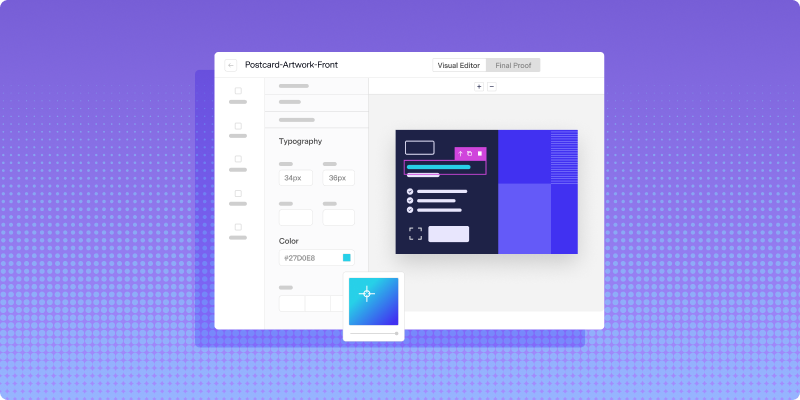
Marketers are increasingly tasked with producing more content in less time. AI can help speed and scale the creative process. Instead of starting completely from scratch, teams can use AI to build a strong foundation. The key is treating AI as a creative tool, not as a replacement for human creativity and expertise. Some use cases include:
- First-draft copy
Use AI to generate initial drafts of headlines, body copy, CTAs. From there, you can fine tune for your brand and audience. - Campaign concepts
AI lets you play around with different ideas more efficiently. By using it to visualize what’s in your head, you can bring your campaign ideas to life and figure out what’s working – and what’s not. - Offer brainstorming
AI can help direct mail teams brainstorm different messaging and offers based on campaign goals, past performance, and customer trends. - Creative testing ideas
AI generates A/B options quickly, so teams aren’t spending hours on monotonous tasks like brainstorming test variations. This lets marketers focus on what they’re best at: continuous improvement and campaign optimization. - Generating personalized content variations
Whether it’s geographic, demographic, behavioral, or timing specific, audiences expect personalization and relevance across every channel. AI tools make it easier and more cost-effective for marketers to personalize direct mail at scale.
Why it matters:
AI is a tool for human creativity, not a replacement. It speeds up ideation by helping teams spend less time on early stage tasks and more time on strategy and direction.
3. Identifying optimization opportunities
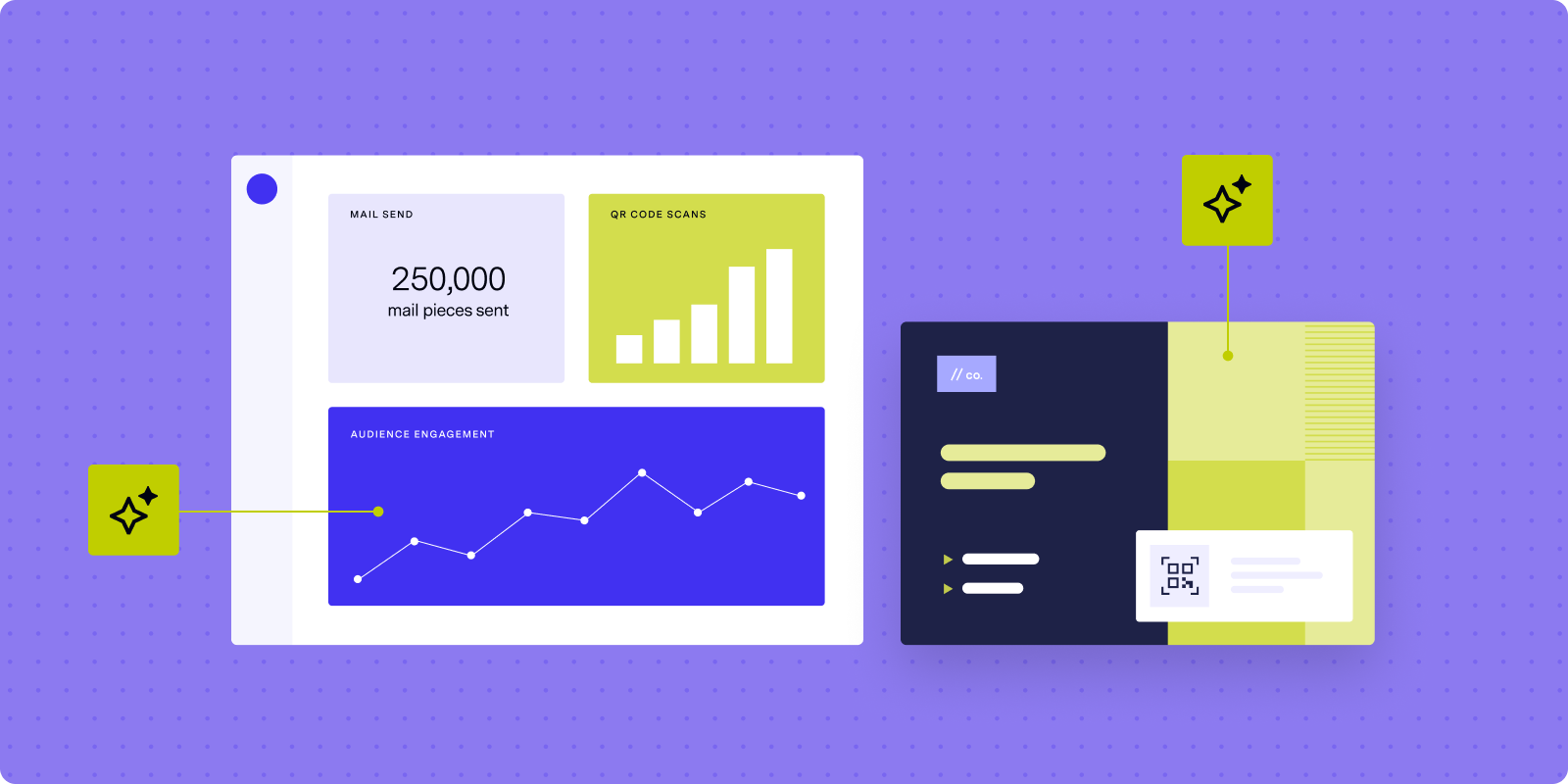
One of AI’s strongest use cases is finding meaningful, actionable insights amidst a wealth of performance data. Instead of spending valuable time combing through reports manually, teams can get AI-powered performance analysis, audience recommendations, offer recommendations, creative insights, and more.
Why it matters:
When teams spend less time searching for answers, they can spend more time acting on opportunities.
What Teams Aren't Handing Over to AI
AI can do a lot for your direct mail team, but it can’t replace human judgment, creativity, or expertise. AI will never understand your customers the way you do. And it can’t build real relationships, navigate the nuances in your brand voice, make strategic decisions, or give final approval on a campaign.
In an increasingly automated world, authentic experiences matter more than ever. The ability to create genuine connections with customers is, and will always be, uniquely human.
The human touch is your most powerful asset – and it isn’t going anywhere.
FAQs

Answered by:

Sam Melero