You can have the perfect offer and the cleanest creative, and still miss the moment if your message gets buried. That is the reality of digital right now. Inboxes are crowded, feeds move fast, and even your best campaigns can start to blur together.
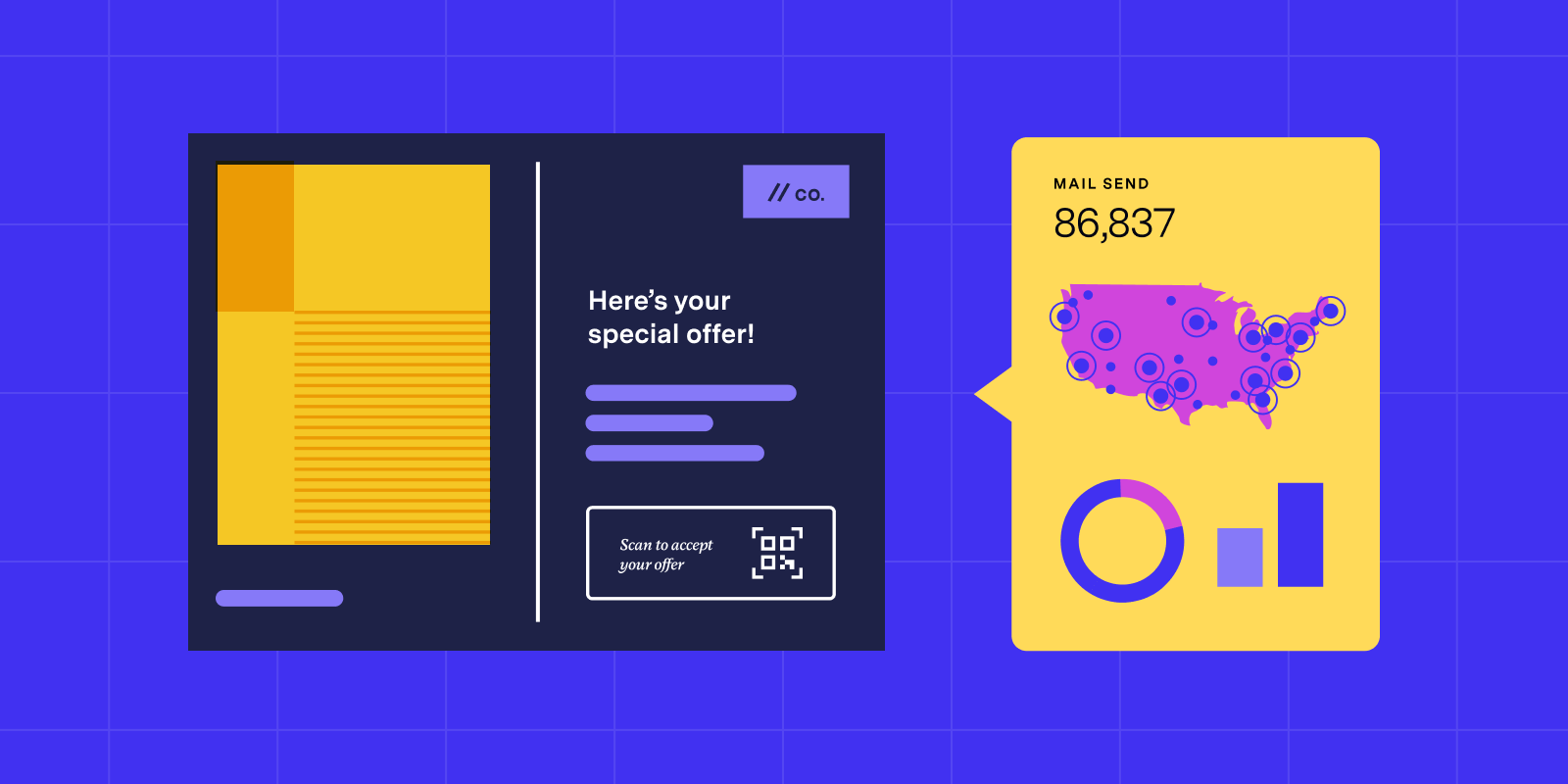
Postcards change the dynamic. They show up where attention is still physical. Your headline and offer are visible right away, and the next step can be as simple as scanning a QR code. This guide breaks down why postcards work, how to design them to drive action, and how to connect them with your digital channels so the whole campaign feels coordinated.
Why direct mail stands out in a digital age
Direct mail delivers something your audience can hold, feel, and keep. While digital messages disappear with a swipe, a postcard creates a physical moment of attention. That tangible experience can make your message feel more real, more trustworthy, and easier to remember.
How tangible marketing sticks in the mind
Physical mail creates a sensory experience that digital channels cannot replicate. When someone holds a postcard, they process the texture, weight, and design at the same time. That extra engagement can help your message stick longer than a digital impression.
A strong postcard also has staying power. It can sit on a counter or desk and get seen more than once, which gives your offer more chances to land.
Why novelty and familiarity make physical mail memorable
For some audiences, physical mail feels refreshingly different. For others, it feels familiar and dependable. Either way, postcards stand out because they show up somewhere your digital marketing doesn’t.
That contrast can be especially valuable when you are trying to re-engage customers who have tuned out email or paid social.
Blend direct mail into your digital campaigns
Postcards work best when they connect to a clear online next step. A postcard can drive someone to a landing page, where your digital channels continue the conversation.
Common channel pairings:
- Direct mail + email: Tease an offer via postcard, then follow up with an email that makes it easy to act
- Direct mail + paid social: Reinforce the same message with retargeting after someone visits your site
- Direct mail + SMS: Follow up with a reminder for people who opted into texts, tied to the same offer or deadline
The key is continuity. Your postcard, landing page, and follow-ups should feel like one campaign, not separate messages.
Why postcards belong in your direct mail mix
Postcards deliver the message instantly because there is no envelope to open. That makes them a strong fit for:
- Limited-time offers
- New product announcements
- Event invitations
- Win-back campaigns
- Local promotions
The format also forces clarity. With limited space, you are pushed to focus on one message and one strong call to action.
Produce and send postcards with ease
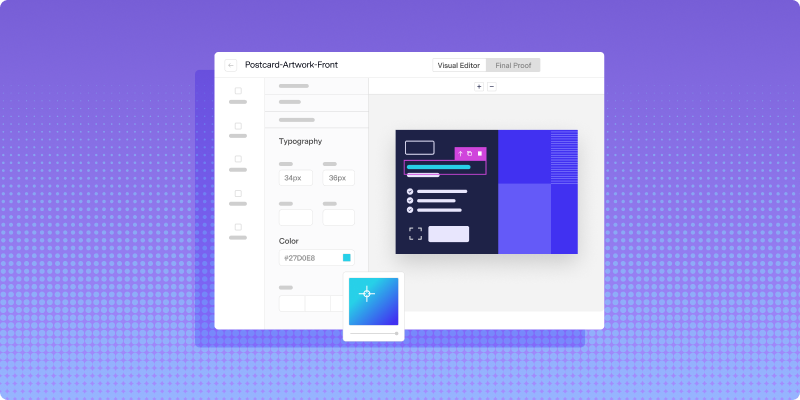
Modern direct mail platforms automate the entire postcard workflow, from design to delivery. You can create campaigns using templates or custom designs, connect your customer data, and trigger sends based on behavior.
That reduces the usual operational overhead, like managing vendors, coordinating proofs, and handling mailing logistics manually.
Handle mailing logistics smoothly
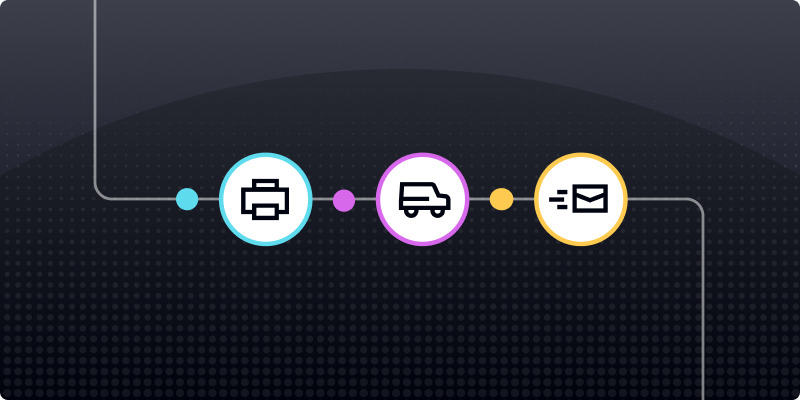
Once your design is ready, a platform can handle address verification, printing, postage, and mail entry. Delivery visibility also helps you time follow-ups more accurately, so your email or paid media can hit when the postcard is landing.
Personalize every postcard at scale
Postcards feel more relevant when they reflect who the recipient is and where they are in your customer journey.
You can personalize:
- Names and segment-based messaging
- Offers based on lifecycle stage or previous behavior
- QR codes or URLs that route to a relevant landing page
- Imagery or product callouts tied to the audience
The goal is to make the postcard feel like it was meant for that person, not sent to everyone.
Scale and adapt your postcard marketing
Postcards are easy to test and iterate. You can start small to validate your messaging, then scale up once you know what is working. As you learn, you can refresh creative, refine targeting, and adjust timing without rebuilding the entire program.
Create a clear, immediate call to action
Your CTA determines whether your postcard drives action or gets tossed.
Strong CTAs tend to be:
- Obvious: the next step is clear in one glance
- Low friction: QR codes and short URLs usually work well
- Specific: “Scan to claim your offer” beats “Learn more”
- Easy to spot: give it space and visual hierarchy
Put Lob’s postcard platform to work
With Lob, you can create, send, and track postcards through the UI or API, so direct mail fits into the same workflow as your digital marketing. You can personalize at scale, automate triggers, and use delivery visibility to run smarter follow-ups.
If you want to see what that looks like for your program, Book a demo.
FAQs

What is a direct mail postcard?
A direct mail postcard is a single printed card you send through the mail without an envelope. Because the message is visible immediately, postcards are a simple, direct format for offers, announcements, reminders, and reactivation.
How do postcards support targeted campaigns?
Targeting comes from who you mail and what you say. You can segment by lifecycle stage, location, previous behavior, or account type, then tailor the offer and CTA so the message matches what that audience is most likely to care about.
How do postcards connect to digital campaigns?
Postcards usually connect to digital through a QR code, short URL, promo code, or dedicated landing page. After someone visits, your digital channels can follow up with email, retargeting, or SMS, using the same offer and creative theme to keep the experience consistent.
What makes a postcard campaign more effective?
The biggest drivers are relevance and clarity. Strong targeting, one clear offer, and an easy next step typically outperform postcards that try to do too much at once.
Answered by: